
The HVAC (Heating, Ventilation, and Air Conditioning) industry has undergone significant advancements in recent years. These innovations are not only improving energy efficiency but also enhancing indoor air quality and system performance. Understanding these latest technologies is crucial for both HVAC contractors and end-users to stay informed and make better decisions.
Emerging HVAC Technologies
- Variable Refrigerant Flow (VRF) Systems:
These systems save energy by avoiding full power operation when it’s unnecessary. - Ductless Mini-Split Systems:
Ideal for retrofitting older buildings or spaces without ductwork, ductless mini-split systems offer high efficiency, zonal comfort control, and easy installation. - Geothermal Heat Pumps:
Geothermal heat pumps use the Earth’s stable temperature as a heat source in winter and a cooling sink in summer. While initial installation costs can be higher, they provide significant long-term savings through reduced energy consumption. - Smart Thermostats:
Smart thermostats integrate with Wi-Fi to provide users with remote temperature management capabilities. They also use machine learning to optimize energy usage by adapting to user behavior over time. - Energy Recovery Ventilators (ERVs):
ERVs improve indoor air quality by exchanging stale indoor air with fresh outdoor air while minimizing energy loss. They are especially beneficial in tightly sealed modern homes where ventilation may otherwise be inadequate.
Key Innovations Shaping Energy Efficiency
Advances in HVAC technology emphasize sustainability and reducing carbon footprints while improving performance.
- Use of Eco-Friendly Refrigerants:
Modern refrigerants like R-32 have lower global warming potential compared to older options like R-22 or R-410A, making them more environmentally friendly. - Demand-Controlled Ventilation (DCV):
DCV systems adjust ventilation rates based on occupancy levels, preventing overventilation and conserving energy when spaces are unoccupied. - Advanced Insulation Materials:
The integration of cutting-edge insulation materials helps reduce heating or cooling loss through walls, ceilings, or ventilation ducts.
Benefits of Adopting Modern HVAC Technologies
| Benefit | Description |
| Improved Energy Savings | High-efficiency technologies reduce monthly utility bills significantly. |
| Enhanced Comfort | Advanced systems provide precise temperature control across zones. |
| Reduced Carbon Footprint | Utilizing eco-friendly options supports environmental sustainability efforts. |
Challenges Facing Widespread Adoption
- Initial investment costs for newer technologies may deter homeowners or businesses from upgrading.
- Lack of awareness about available options can prevent adoption.
- Skilled labor is required to install and maintain advanced systems properly.
HVAC contractors like www.miamihvac.net play an instrumental role in addressing these barriers by educating clients about available solutions while ensuring professional installation practices that maximize long-term benefits from these innovations.
Identifying the Signs That Your Miami HVAC System Needs an Urgent Replacement
An HVAC system is an essential component of any home or commercial building, ensuring comfort and air quality year-round. However, like any mechanical system, it has a finite lifespan. Knowing when it’s time for a replacement can save you money, improve energy efficiency, and maintain a comfortable environment.
How to Avoid Frequent Repairs and High Maintenance Costs with the Best HVAC Company Miami, FL
If you find yourself repeatedly calling for repairs or spending more on maintenance, it could signal that your HVAC system is nearing the end of its lifecycle.
– Recurring breakdowns within short intervals
– Escalating costs due to replacement parts or labor fees
– Inability to resolve persistent issues despite regular servicing
As a rule of thumb, if repair costs exceed 50% of the price of a new unit, it’s more cost-effective to replace the system.
Struggling with Inconsistent Temperature Control?
Uneven heating or cooling across different rooms is another red flag. If certain areas of your home are too hot while others remain cold—even after adjusting settings—your system may be struggling to distribute air effectively.
– A failing compressor
– Ductwork issues or blockages
– An outdated design unable to meet current demands
Upgrading to a modern HVAC system with advanced zoning capabilities can resolve these problems.
Older systems tend to lose efficiency over time, causing them to consume more energy while delivering less comfort.
– Diminished energy efficiency due to aging components
– Outdated technology compared to modern energy-saving models
Switching to an ENERGY STAR-certified HVAC unit can reduce your monthly expenses significantly while benefiting the environment.
| HVAC Age | Efficiency Level | Recommendation |
| 0–10 years | High | Routine maintenance |
| 10–15 years | Moderate | Consider replacing based on performance |
| Over 15 years | Low | Replacement advised |
Strange or loud noises coming from your HVAC unit—such as rattling, grinding, or banging—are often indicative of internal mechanical failures.
– Worn-out bearings or belts
– Loose components within the motor or blower
– Damage caused by long-term wear and tear
While minor noises may be fixed with repairs, persistent disruption usually requires a full replacement of the system.
Your HVAC system plays a critical role in maintaining indoor air quality by filtering dust, allergens, and other contaminants from circulating air.
– A buildup of dust around vents and surfaces
– Increased allergy symptoms among occupants
– Persistent humidity issues (too high or too low)
Modern systems often include advanced filtration technologies and humidity controls that significantly improve comfort levels while promoting healthier indoor environments.
Recognizing these warning signs early allows you to make informed decisions about replacing your HVAC unit before complete failure occurs—minimizing disruptions and ensuring better long-term performance for your property.
Exploring Smart HVAC Systems and Their Impact on Energy Efficiency
Smart HVAC systems represent a significant leap forward in the heating, ventilation, and air conditioning industry. By integrating advanced technologies like IoT (Internet of Things), AI (Artificial Intelligence), and machine learning, these systems not only improve comfort but also drastically reduce energy consumption. Below, we explore how smart HVAC systems are transforming energy efficiency in both residential and commercial settings.
Key Features of Smart HVAC Systems
- Programmable Thermostats: These allow users to schedule temperature adjustments based on occupancy patterns.
- Zoning Capabilities: Zoning divides spaces into distinct areas with individual temperature controls, optimizing energy usage for unoccupied sections.
- Remote Monitoring: Mobile apps and cloud-based platforms enable users to control HVAC systems from anywhere.
- Energy Usage Analytics: Real-time insights into energy consumption allow users to identify inefficiencies and implement corrective measures.
Benefits of Smart HVAC Systems for Energy Efficiency
- Reduced Energy Waste
Traditional systems often run at full capacity regardless of actual demand. Smart systems adjust operation based on real-time environmental data, ensuring minimal waste. This leads to significant savings over time while reducing the carbon footprint. - Enhanced System Longevity
By operating more efficiently and avoiding unnecessary strain, smart HVAC systems experience less wear-and-tear, leading to fewer repairs and replacements. - Lower Utility Bills
Energy-efficient operation translates directly into reduced monthly utility costs for homeowners and businesses alike. - Improved Indoor Air Quality (IAQ)
Many smart HVAC units are designed with advanced air filtration capabilities that work in tandem with efficient airflow management to maintain healthier indoor environments.
Smart vs Traditional Systems: A Quick Comparison
| Feature | Traditional HVAC Systems | Smart HVAC Systems |
| Energy Consumption | High due to constant operation | Low; adjusts based on demand |
| User Control | Manual settings | Remote & automated adjustments |
| Maintenance Alerts | Reactive | Proactive; sends notifications |
| Cost Savings Potential | Limited | High |
Challenges Associated With Adoption
- Initial Cost: Installation of smart systems can be expensive compared to traditional setups due to advanced hardware and software requirements.
- Learning Curve: Users may need time or training to fully utilize features like zoning or data analytics.
- Dependence on Connectivity: Since these systems rely heavily on internet connections, disruptions could affect their functionality.
The Future Outlook
As energy regulations tighten globally and consumers increasingly prioritize sustainable solutions, smart HVAC adoption is expected to grow significantly in the coming years. Advances such as seamless AI integration for predictive maintenance and greater interoperability between devices will likely make these systems more accessible and efficient over time.
By embracing smart technologies today, homeowners and businesses can contribute toward a greener planet while enjoying superior comfort and lower costs—a win for all parties involved.
The Role of HVAC Contractors in Residential and Commercial Construction Projects
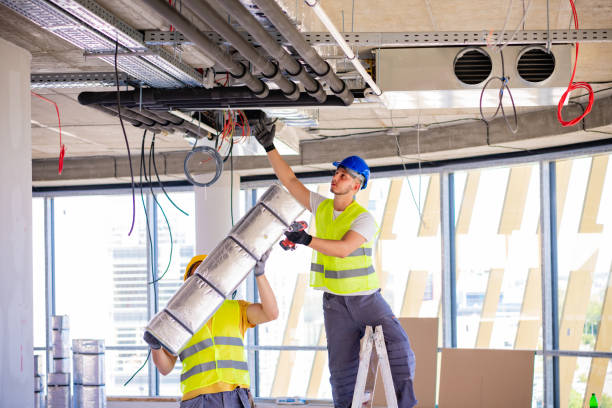
HVAC contractors play a critical role in both residential and commercial construction projects. Their expertise ensures that heating, ventilation, and air conditioning systems are designed, installed, and maintained effectively to provide optimal comfort, energy efficiency, and indoor air quality. Below is an exploration of their responsibilities and the value they bring to construction projects.
Key Responsibilities of HVAC Contractors
- System Design
HVAC contractors collaborate with architects and engineers during the design phase of a construction project to create efficient systems tailored to the building’s specifications. - Calculating heating and cooling loads based on building size, layout, insulation levels, and climate.
- Selecting appropriate equipment such as furnaces, air conditioners, heat pumps, ductwork systems, or advanced technologies like VRF (Variable Refrigerant Flow) systems.
- Ensuring compliance with local codes, regulations, and environmental standards.
- Installation
Proper installation is critical for system performance and energy efficiency. - Installing ductwork or ductless systems with precision to prevent future airflow issues.
- Positioning units like condensers or boilers in optimal locations for accessibility and functionality.
- Testing connections for refrigerants, electrical wiring, gas lines, or water supply as needed.
- Commissioning
Before handing over the system to the building owner or operator: - Contractors conduct detailed testing to ensure all components function correctly.
- Air balancing may be performed to ensure even distribution of conditioned air throughout the space.
- Maintenance Planning
Many HVAC contractors offer post-construction services such as maintenance contracts to extend system life.
Differences Between Residential & Commercial Projects
| Feature | Residential Construction | Commercial Construction |
| System Complexity | Typically simpler; involves a single-family home system | More complex; often includes zoning for different areas or floors |
| Equipment Types | Generally smaller-scale units | Larger-scale equipment like rooftop units or chillers |
| Load Requirements | Focused on personal comfort | Designed for both comfort and operational requirements |
| Codes & Regulations | Fewer regulatory constraints | Stricter compliance with safety codes |
Benefits of Professional HVAC Contractors in Construction
- Energy Efficiency: Advanced knowledge ensures selection of energy-efficient equipment that reduces long-term operating costs.
- Reduced Downtime: Proper installation minimizes future breakdowns.
- Customized Solutions: Tailored designs meet unique architectural or operational needs.
- Regulatory Compliance: Expertise guarantees adherence to safety codes while avoiding penalties or delays.
- Enhanced Comfort Levels: Skilled professionals optimize airflow patterns for consistent temperature control.
Collaborating with Architects & Engineers
- During pre-construction meetings, potential challenges such as tight spaces for ductwork are addressed early.
- Contractors provide valuable input on how mechanical systems can integrate seamlessly into overall building designs without compromising aesthetics.
The role of an HVAC contractor goes beyond simply installing equipment—they actively contribute to creating healthier indoor environments while supporting sustainable construction practices. Their contributions directly impact a building’s functionality over its entire lifecycle.
How Advanced HVAC Software and Field Applications Empower Contractors
The HVAC industry has witnessed significant advancements in technology, making it easier for contractors to enhance service delivery and improve operational efficiency. Advanced HVAC software and field applications have become indispensable tools for contractors, enabling them to streamline workflows, optimize resource utilization, and elevate customer satisfaction. Here’s a closer look at how these solutions empower HVAC professionals.
Benefits of Advanced HVAC Software
HVAC software offers a range of features that simplify day-to-day operations for contractors.
- Efficient Scheduling: With scheduling software, contractors can allocate resources effectively, reduce downtime, and ensure timely service appointments.
- Centralized Data Management: Digital systems allow storage of customer details, service history, and equipment records in one place for easy access.
- Accurate Estimates: Cost-estimating tools provide precise quotes based on material costs, labor hours, and other variables, improving transparency with clients.
- Inventory Tracking: Contractors can track inventory levels in real-time to avoid stock shortages or delays during repairs or installations.
The Role of Field Applications
Field applications are transforming how HVAC contractors work on-site by providing real-time updates and increasing collaboration between field technicians and office staff.
- Technicians can receive job updates directly on their devices without returning to the office.
- Managers can monitor progress remotely through GPS tracking systems integrated into field apps.
- Field technicians can capture photos or videos during inspections.
- Notes related to repairs or installations are logged digitally for future reference.
- Many apps integrate with connected equipment to enable remote diagnostics.
- Accessing fault codes or performance data helps technicians troubleshoot issues faster.
- Streamlined payment options allow customers to pay on-site via credit cards or mobile wallets.
- Automated invoicing ensures accurate billing while saving time for both parties.
Use Cases of Advanced Software in Action
| Use Case | Impact | Example |
| Preventive Maintenance | Reduces unexpected breakdowns by scheduling routine check-ups | Automatic reminders sent via software |
| Customer Relationship Mgmt | Fosters loyalty through personalized communication | Targeted email campaigns from CRM systems |
| Load Calculations | Ensures proper sizing of HVAC units | Accurate heat load assessments with apps |
Why Contractors Should Embrace These Innovations
Adopting advanced software solutions gives contractors a competitive edge in the evolving HVAC market by allowing them to work smarter rather than harder. It reduces operational inefficiencies while ensuring they remain agile enough to adapt quickly to new challenges. By leveraging these tools effectively, HVAC businesses can not only improve their profitability but also deliver exceptional value to their clients over the long term.
Professional Air Conditioning Repair Miami: Enhancing Customer Experience and Satisfaction
Customer satisfaction is a cornerstone of any successful business, and in the HVAC industry, it plays an especially critical role. Professional HVAC services not only ensure the proper functioning of heating, ventilation, and air conditioning systems but also create a positive customer experience that can lead to long-term relationships. Below are some key strategies for enhancing customer experience through professional HVAC services.
Clear and Transparent Communication
Effective communication fosters trust and ensure customers feel valued.
– Upfront Pricing: Provide detailed quotes with no hidden fees to give customers confidence in their investment.
– Regular Updates: Keep customers informed about project progress, including timelines and any potential delays.
– Educational Approach: Educate customers about their systems and maintenance requirements to empower them to make informed decisions.
By ensuring all interactions are professional and transparent, contractors can build a foundation of trust that enhances the overall experience.
Providing Customized Solutions
Every home or building has unique heating or cooling needs.
– Perform a thorough assessment of the property to recommend appropriate system sizes and configurations.
– Offer energy-efficient options that align with the customer’s budget and sustainability goals.
– Customize maintenance plans tailored to individual needs for long-term system efficiency.
This personalized approach helps clients feel valued while improving system performance.
Timely Service Delivery
Prompt service is essential for maintaining satisfaction:
– Respond quickly to service calls, especially during emergencies such as system breakdowns in extreme weather conditions.
– Adhere to committed timelines for repairs or installations.
– Be punctual during scheduled appointments, respecting the customer’s time.
Timeliness not only enhances satisfaction but also positions your business as reliable and dependable.
Leveraging Technology to Improve Service Quality
Incorporating technology allows HVAC professionals to provide seamless service while meeting modern customer expectations:
| Technology | Benefits | |————|———-| | Online Scheduling Tools| Enables customers to book appointments conveniently without phone calls. Mobile Apps| Facilitates real-time updates on technician arrival times or project status’s Software| Tracks maintenance schedules, service histories, and preferences for personalized follow-ups.
Using advanced tools can significantly enhance efficiency while improving client interactions.
Focus on Preventative Maintenance Plans
Preventative maintenance plans offer several benefits for both contractors and clients:
1. Prevent costly breakdowns by identifying issues early.
2. Increase equipment lifespan with regular servicing.
3. Provide peace of mind with priority scheduling for ongoing customers.
Offering these plans encourages repeat business while ensuring client systems remain operational year-round.
Building Long-Term Relationships Through Post-Service Engagement
Post-service engagement can turn one-time clients into loyal customers:
– Follow up after each service appointment via email or phone to check on satisfaction levels.
– Send reminders for upcoming maintenance or filter replacements.
– Offer loyalty discounts or referral incentives as tokens of appreciation.
Consistent follow-up efforts show that you value your relationship with the client beyond just immediate transactions.
By prioritizing professionalism, clear communication, timely delivery, customized solutions, modern technology integration, and consistent engagement practices, HVAC contractors can create exceptional experiences that foster trust and long-term loyalty from their clients.
- Exploring the Latest HVAC Innovations for Reliable AC Repair Miami Solutions
- 10 Effective Strategies for Air Conditioning Repair Miami Contractors to Drive Business Growth
- Identifying When Your Miami HVAC System Needs an Immediate Replacement
- Expert Solutions for AC Repair Miami: Tackling Common HVAC Problems
- Top Trends in AC Repair Miami Residents Should Know by 2025
- Understanding Why Miami HVAC Systems Often Need Repairs and When to Consider Professional Replacement
- Miami HVAC Replacement Guide: Recognizing When It’s Time for a New System
- Effective Strategies for Timely Miami HVAC Replacement
- Tips for Choosing the Best Miami HVAC Contractor for Repairs and Maintenance