
1. Transition Toward Energy Efficiency and Sustainability
- Government Regulations: Stricter energy efficiency standards such as SEER (Seasonal Energy Efficiency Ratio) requirements in air conditioning units compel manufacturers to innovate.
- Consumer Demand: Modern homeowners actively seek eco-friendly systems like heat pumps or geothermal solutions.
- Green Building Certifications: LEED-certified buildings often require advanced HVAC equipment designed to reduce greenhouse gas emissions.
Investing in sustainable solutions benefits both contractors and consumers by ensuring compliance with regulations while reducing long-term energy costs.
2. Smart Technology Integration
- Remote Monitoring: Advanced sensors allow users to monitor temperature or air quality via mobile applications.
- Predictive Maintenance: IoT-enabled systems use data analytics to identify potential issues before they lead to costly breakdowns.
- Voice Assistance Compatibility: Many modern systems now integrate with devices like Amazon Alexa or Google Assistant for seamless automation.
Smart technology is now a key selling point for HVAC contractors aiming to provide value-added services.
3. Workforce Challenges and Upskilling
- New refrigerants compliant with global standards.
- Installation techniques for high-tech equipment like ductless mini-split systems.
- Utilizing digital tools for diagnostics and service delivery.
Apprenticeships, trade schools, and online training platforms can help mitigate these challenges while ensuring workers stay competitive.
4. Rise of Heat Pump Technology
| Heat Pump Type | Key Features | Applications |
| Air Source | Cost-effective; widely used | Residential & commercial properties |
| Ground Source | Higher initial cost; durable | Eco-conscious residential projects |
| Hybrid Systems | Combines heat pump & furnace | Cold-climate regions |
This trend aligns closely with sustainability goals as heat pumps significantly reduce carbon footprints while maintaining optimal comfort levels.
5. Private Equity Driving Market Consolidation
- Access to expanded service areas through mergers.
- Enhanced operational efficiencies via shared resources.
- Opportunities for professional development through larger organizational support.
As consolidation continues throughout the industry, it will likely create a more competitive landscape where small businesses must differentiate themselves with specialized services or niche expertise.
Understanding these trends helps professionals make informed decisions on which technologies or strategies best align with their business goals while addressing customer demands effectively. As innovation reshapes the market landscape, staying ahead requires proactive adaptation tailored to these emerging developments.
Energy Efficiency and Sustainability: A Focus for HVAC Company Miami, FL
As the global focus on environmental conservation and energy efficiency intensifies, the HVAC industry is undergoing a transformative shift toward more sustainable practices. Properly designed, installed, and maintained HVAC systems can significantly reduce energy consumption while improving indoor comfort. Here’s why energy efficiency and sustainability are becoming essential components of modern HVAC services.
Why Energy Efficiency Matters in HVAC
- Reduce utility bills for customers by minimizing power consumption.
- Lower carbon footprints by decreasing reliance on fossil fuels.
- Improve system performance with optimized operations that require less maintenance over time.
Key Benefits of Energy-Efficient HVAC Systems
Energy-efficient HVAC technologies offer several advantages:
1. Cost Savings: Reducing energy consumption leads to noticeable savings on electricity or gas bills.
2. Enhanced Comfort: Advanced systems regulate temperature more effectively while maintaining consistent airflow.
3. Extended Equipment Lifespan: High-efficiency units typically experience less wear and tear, resulting in longer service life.
The Role of Sustainability in Today’s Market
Sustainability is no longer just a buzzword; it has become an expectation across industries. For the HVAC sector, this means offering environmentally friendly products and services that meet stricter regulations while appealing to eco-conscious consumers.
Sustainable Practices in HVAC Services
Here are some sustainable strategies being adopted:
– Employing refrigerants with low global warming potential (GWP), such as R-32 or R-1234yf.
– Promoting regular maintenance programs to enhance system performance and minimize waste.
– Recycling or properly disposing of old equipment to prevent environmental damage.
Green Certifications That Matter
Adopting sustainable solutions aligns businesses with certifications like: | Certification | Purpose | |—————|———| | ENERGY STAR | Helps identify high-efficiency products reducing emissions and operational costs. | | LEED (Leadership in Energy & Environmental Design) | Recognizes eco-friendly building projects integrating sustainable technologies like efficient HVAC systems. |
Emerging Trends Driving Energy Efficiency & Sustainability
The push for improved efficiency goes hand-in-hand with innovation in technology. Here are some trends shaping the future:
1. Smart Thermostats: Devices that leverage artificial intelligence (AI) to optimize heating and cooling schedules based on occupancy patterns. 2. Variable Refrigerant Flow (VRF): Systems allowing precise climate control across zones while conserving significant amounts of energy.
3. Solar-Powered Systems: Solutions that integrate renewable resources like solar panels into traditional heating or cooling infrastructure.
Benefits for Contractors Embracing These Practices
HVAC businesses adopting sustainable methods stand to gain competitive advantages:
– Building customer trust by offering eco-friendly options.
– Positioning themselves as leaders within an evolving market focused on sustainability goals.
– Attracting new demographics actively seeking green solutions.
By recognizing the growing importance of both energy efficiency and sustainability within their services, contractors can meet customer demands while contributing positively toward global environmental initiatives.
How Smart and Connected HVAC Systems Are Changing AC Replacement Miami Home Comfort
The HVAC industry is undergoing a technological transformation as smart and connected systems redefine how homes achieve comfort, efficiency, and environmental sustainability. These advancements are not just about convenience; they represent a paradigm shift in energy management, user control, and system performance.
Key Features of Smart HVAC Systems
- Wi-Fi Connectivity: Allows users to control heating and cooling systems remotely via smartphones or other devices.
- Smart Thermostats: Devices like Nest or Eco bee learn user preferences and adjust settings for optimal comfort and energy savings.
- Sensors and Monitoring: Advanced sensors detect ambient temperature, humidity levels, air quality, and even occupancy to adjust the system’s performance in real-time.
- Integration with Smart Home Ecosystems: Compatibility with platforms like Amazon Alexa or Google Home enables seamless voice control over HVAC settings.
- Predictive Maintenance Alerts: Connected systems can identify potential issues before they become significant problems by monitoring key metrics.
Benefits of Connected HVAC Systems
Modern smart systems offer many advantages for both homeowners and contractors looking to improve energy efficiency while delivering optimal indoor comfort.
- By learning user behavior patterns, smart thermostats can reduce energy consumption during off-peak hours.
- Zoning capabilities allow homeowners to heat or cool specific areas without wasting energy on unoccupied spaces.
- Integrated air purification systems monitor air quality in real time and can adjust ventilation settings accordingly.
- Humidity controls ensure healthier living environments without mold growth or overly dry conditions.
- With automated schedules based on preferences or weather forecasts, users spend less time manually adjusting settings.
- Voice commands simplify adjustments for individuals who prefer hands-free operation.
- Reduced energy usage translates directly into lower utility bills over the long term.
- Predictive maintenance reduces unexpected repair costs by addressing issues early.
Challenges with Adoption
| Challenge | Description |
| Initial Cost | Smart HVAC systems often require a higher upfront investment than traditional ones. |
| Technical Complexity | Homeowners may need professional installation or support to maximize benefits. |
| Data Privacy Concerns | With connected devices collecting data about user habits, privacy remains an issue for some consumers. |
The Role of Contractors in Promoting Smart Systems
- Providing personalized consultations that demonstrate potential cost savings using real-world examples.
- Staying updated on emerging trends in connected technologies to recommend solutions tailored to customer needs.
- Offering maintenance packages optimized for smart systems to build long-term client relationships.
By championing these advancements, contractors can position themselves as trusted partners in enhancing home comfort while leveraging cutting-edge technology solutions efficiently.
Why Private Equity Is Driving Consolidation in the HVAC Sector
The HVAC (Heating, Ventilation, and Air Conditioning) industry is witnessing a significant shift as private equity firms play an increasingly prominent role in driving consolidation. This trend has accelerated over the past several years due to various factors, including market fragmentation, scalable business models, and attractive returns on investment. Below, we explore why private equity is fueling this wave of consolidation in the HVAC sector.
Key Drivers of Private Equity Interest in HVAC
- The HVAC industry is highly fragmented, with thousands of small to medium-sized local operators.
- Private equity firms see an opportunity to acquire smaller players and consolidate them into larger entities to achieve economies of scale.
- This approach improves operational efficiency while creating a more competitive presence in regional and national markets.
- Many HVAC businesses generate consistent revenue through maintenance contracts and service agreements.
- These predictable cash flows make them attractive investments for private equity groups seeking stable returns over time.
- Increased demand for energy-efficient systems and sustainable solutions has expanded the market for both residential and commercial HVAC services.
- The ongoing need for upgrades, repairs, and replacements ensures long-term profitability for investors looking at this sector.
- Many smaller HVAC companies lack advanced technology or streamlined processes.
- Private equity firms often invest in technology upgrades such as customer relationship management (CRM) software or enterprise resource planning (ERP) systems to improve productivity and customer experience.
Benefits of Consolidation for the HVAC Industry
- Improved Operational Efficiency: Larger consolidated companies benefit from shared resources such as centralized procurement, marketing budgets, and administrative support.
- Enhanced Employee Training Opportunities: Larger organizations can provide better training programs compared to smaller independent operators.
- Increased Market Share: Merged entities can offer competitive pricing models that drive greater customer retention.
- Access to Capital: Consolidated firms have easier access to capital funding that can be reinvested into equipment upgrades or expanding service offerings.
| Factor | Pre-Consolidation Impact | Post-Consolidation Benefit |
| Market Competition | Highly fragmented | More competitive pricing |
| Technology Adoption | Limited | Increased digital transformation efforts |
| Scalability | Restricted | Enhanced scalability with shared resources |
Challenges Brought by Consolidation
- Potential loss of local business identity as larger corporations take over regional players.
- Risk of reduced competition at the local level, leading to fewer choices for consumers.
- Integration issues during mergers or acquisitions may disrupt operations temporarily.
What It Means for HVAC Contractors
- Staying competitive may require joining larger networks or adopting new technologies proactively.
- Independent operators should focus on specialized niches or providing exceptional customer service to distinguish themselves from large players.
- Understanding broader market trends will help contractors align their goals with future growth opportunities fostered by consolidation efforts.
Private equity’s increasing role in shaping the structure of the HVAC sector highlights how strategic investments can transform traditionally fragmented markets into more efficient networks capable of meeting evolving consumer needs effectively.
Exploring Cutting-Edge Technologies Enhancing HVAC Equipment and Performance
The HVAC industry is undergoing a significant transformation as technology evolves to meet the demands of modern consumers and businesses. Advanced technologies are revolutionizing HVAC equipment, making systems more efficient, reliable, and tailored to user needs. Understanding these innovations is critical for contractors, businesses, and homeowners seeking to maximize performance and minimize costs.
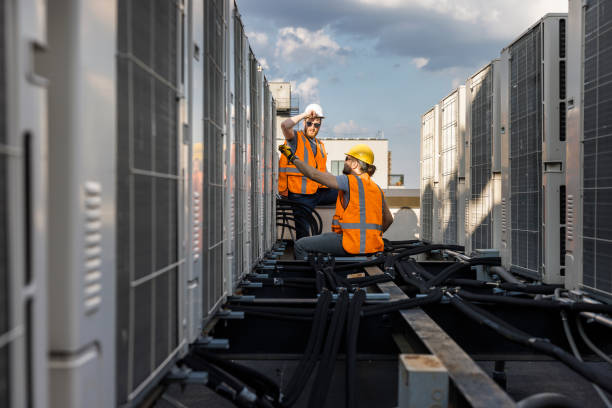
1. Variable Refrigerant Flow (VRF) Systems
- Energy Efficiency: VRF adjusts refrigerant flow based on demand, reducing energy consumption.
- Custom Comfort: Individualized temperature settings across zones improve occupant comfort.
- Compact Design: Smaller components allow easier installation in tight spaces.
2. Integration of IoT (Internet of Things)
- Remote Monitoring: Users can control systems from smartphones or tablets.
- Predictive Maintenance: Avoid costly breakdowns by addressing issues before they escalate.
- Data Insights: Optimize energy use through real-time feedback from connected devices.
3. Advances in Compressor Technology
| Feature | Advantage |
| Variable Speed | Adjusts output based on cooling/heating demand |
| Lower Energy Use | Reduces power consumption during off-peak hours |
| Quieter Operation | Minimizes noise compared to older models |
4. Use of Environmentally Friendly Refrigerants
- Lower Global Warming Potential (GWP)
- Improved thermodynamic efficiency
- Compliance with international environmental standards like Kigali Amendment
5. Enhanced Air Filtration Systems
- High-Efficiency Particulate Air (HEPA) filters
- UV-C light disinfection to neutralize airborne pathogens
- Multi-stage filtration for capturing fine particulates, odors, and allergens
6. Renewable Energy Integration for HVAC Systems
- Solar-Powered HVAC Units: Reduce reliance on grid electricity while lowering operating costs.
- Geothermal Heat Pumps: Utilize ground-source energy for heating/cooling with minimal environmental impact.
- Hybrid Systems: Combine traditional systems with renewable components for optimized performance.
By embracing these cutting-edge technologies, contractors can deliver superior solutions tailored to client needs while aligning with broader trends in sustainability and efficiency—two factors shaping the future landscape of the industry.
Exploring the Benefits of Specializing in Miami HVAC Services
Specializing in unique niches within the HVAC (Heating, Ventilation, and Air Conditioning) industry offers contractors distinct advantages. Focusing on a specific segment of the market allows businesses to stand out from competitors, improve customer loyalty, and develop expertise that can lead to increased profitability. Below, we explore the benefits of niche specialization and how HVAC contractors can identify and capitalize on these opportunities.
Advantages of Niche Specialization
- Competitive Edge Through Differentiation
By honing expertise in a specific area, such as geothermal systems or historic building HVAC retrofits, contractors can distinguish themselves from general service providers. Specialized services demonstrate advanced knowledge, making companies more appealing to clients who need tailored solutions. - Enhanced Profit Margins
Niche markets often allow for higher pricing due to the specialized skills required. Customers seeking uncommon or highly technical services are frequently more willing to pay premium rates for experts they trust. - Improved Marketing Efficiency
Targeting a narrow audience enables contractors to create highly focused marketing campaigns. For example:
– A contractor specializing in energy-efficient solutions can target environmentally-conscious homeowners with precision. – Marketing materials—like blogs or advertisements—can be customized around the niche topic, leading to better engagement rates. - Stronger Customer Loyalty
Specialists who deliver exceptional results often build long-term relationships with clientele due to their reliability and deep understanding of unique challenges within their niche.
Potential Niche Areas in HVAC
| Niche Area | Description |
| Geothermal Heating & Cooling | Installation and maintenance of energy-efficient geothermal systems for eco-conscious homeowners |
| Historic Building Retrofitting | Modernizing HVAC systems while preserving architectural integrity |
| Smart Home Integration | Installing connected systems that integrate seamlessly with AI-driven smart home technologies |
| Medical Facility HVAC Solutions | Designing systems tailored to maintain sterile environments in hospitals and clinics |
| Commercial Kitchen Ventilation | Specialized ventilation ensuring safety and compliance for restaurants |
Steps Toward Becoming a Specialist
- Market Research: Identify underserved areas within your target region where demand outpaces supply.
- Training & Certification: Invest in specialized training programs or certifications relevant to your chosen niche (e.g., LEED certification for sustainable designs).
- Strategic Partnerships: Collaborate with manufacturers or industry organizations that support your focus area.
- Brand Positioning: Update branding elements like website content or social media messaging to emphasize your specialization.
- Ongoing Education: Stay current with advancements by attending conferences, joining trade associations, or subscribing to industry publications.
Challenges Worth Considering
While specializing offers numerous benefits, there are potential challenges:
1. Reduced Client Base: A narrower focus may limit the number of potential customers initially.
2. Training Costs: Acquiring expertise may require upfront investment in training or new equipment.
3. Market Shifts: Changes in technology or consumer preferences could impact demand for certain niches over time.
Contractors must weigh these factors carefully while ensuring they have contingency plans if their chosen niche evolves unpredictably.
Focusing on unique niches not only positions an HVAC contractor as an expert but also creates opportunities for sustainable growth amidst increasing industry competition.
How AI-Enhanced Thermostats Revolutionize Air Conditioning Repair Miami Services
Artificial intelligence (AI) is no longer a futuristic concept; it has become an integral part of daily life, including in the HVAC industry. AI-enhanced thermostats and systems are transforming how heating, ventilation, and air conditioning systems operate, delivering improved efficiency, enhanced comfort, and reduced energy consumption. This article delves into the role of AI in modern HVAC solutions and how it’s redefining the industry.
How AI Enhances HVAC Efficiency
- Adaptive Learning: AI-enabled thermostats learn user behaviors over time. By monitoring patterns such as when you’re typically home or away, these devices adjust temperatures automatically to match your schedule.
- Energy Optimization: These systems analyze environmental data like outdoor temperature or humidity levels alongside internal conditions to ensure optimal energy usage without sacrificing comfort.
- Predictive Maintenance: AI technology identifies potential problems within HVAC systems before they result in significant failures. This proactive approach ensures timely maintenance while minimizing system downtime.
- Zoning Support: Advanced systems powered by AI can create customized temperature zones within a home or building for personalized climate control in different areas without wasting energy.
Benefits for Homeowners and Businesses
- Reducing unnecessary energy consumption leads to lower utility bills.
- Minimizing repair costs through predictive maintenance mechanisms.
- Automated adjustments ensure consistent indoor temperatures tailored to occupants’ preferences.
- Zoning technology allows individuals to customize settings for specific rooms or areas.
- Optimized energy usage reduces carbon footprints.
- Systems often integrate with renewable energy technologies like solar panels for further sustainability.
- Integration with smart assistants (e.g., Alexa, Google Assistant) enables voice commands and remote control from anywhere using mobile apps.
| Feature | Benefit | Example Use Case |
| Adaptive Learning | Personalized comfort | Automatically adjusts settings after weekly use |
| Predictive Maintenance | Prevents costly breakdowns | Alerts homeowners of clogged filters |
| Energy Optimization | Reduced electricity bills | Modifies cooling based on weather forecasts |
| Zoning Support | Custom temperature control by room | Warmer bedrooms at night, cooler living rooms |
Applications Across Sectors
AI-enhanced systems are not limited to residential use; they are also reshaping commercial and industrial HVAC applications:
– Retail Spaces: Ensuring consistent customer comfort while lowering operational costs. – Office Buildings: Maintaining ideal working conditions with zone-specific customizations. – Healthcare Facilities: Providing precise temperature regulation critical for patient care environments. – Data Centers: Protecting sensitive equipment by monitoring airflow and maintaining optimal cooling levels.
Challenges Facing Adoption
While AI-enhanced thermostats offer numerous benefits, several challenges remain:
1. Upfront Costs: Initial installation can be expensive compared to traditional setups.
2. Privacy Concerns: Smart devices collect substantial amounts of data on usage patterns.
3. Integration Issues: Compatibility with older or non-smart equipment can pose difficulties.
Despite these hurdles, advancements in technology continue to make AI-powered solutions more accessible and widely adopted across different sectors.
The evolution of artificial intelligence is redefining what’s possible in the HVAC industry by delivering smarter solutions tailored for efficiency and sustainability while keeping users’ needs at the forefront.
Understanding the Role of AI-Enhanced Thermostats and Systems in Improving HVAC Efficiency
Artificial intelligence (AI) is transforming industries, and the HVAC sector is no exception. AI-enhanced thermostats and systems are reshaping how residential and commercial buildings manage heating, ventilation, and air conditioning. These advancements are not just convenient—they have a significant impact on energy efficiency, cost savings, and overall system performance.
The Fundamentals of AI-Enhanced Thermostats
- Behavioral Learning: AI-enabled devices learn user preferences over time, automatically adjusting temperatures based on patterns such as work schedules or sleeping habits.
- Environmental Adaptation: These systems consider external factors like weather conditions or indoor humidity levels when making temperature adjustments.
- Remote Access: Most AI thermostats can be controlled remotely via smartphones or other connected devices for added flexibility.
How AI Improves HVAC Efficiency
- AI systems monitor equipment performance in real-time.
- Sensors detect anomalies or potential failures before they escalate into costly breakdowns.
- This predictive approach minimizes downtime and maximizes system lifespan.
- By analyzing data from occupancy sensors, weather forecasts, and historical usage patterns, AI ensures energy is used only when needed.
- This leads to reduced waste while maintaining optimal indoor comfort.
- Advanced systems equipped with zoning capabilities allow targeted heating or cooling for specific areas within a building.
- This eliminates unnecessary energy use in unoccupied spaces.
- Some AI-powered HVAC setups integrate with smart grids to optimize energy consumption during off-peak hours.
Benefits for Homeowners and Businesses
| Benefit | Homeowners | Businesses |
| Energy Savings | Lower utility bills through optimized usage | Reduced operational costs |
| Comfort | Personalized temperature settings | Consistent climate control across facilities |
| Sustainability | Reduced carbon footprint | Supports corporate sustainability goals |
| Convenience | Remote monitoring via apps | Centralized control for large spaces |
Trends Driving Adoption of AI in HVAC
- Demand for Sustainability: Stricter environmental regulations encourage innovations that minimize energy consumption.
- Smart Home Integration: Growing popularity of IoT-connected devices makes it easier for users to incorporate smart thermostats into their homes.
- Cost Efficiency Awareness: Rising energy costs push both consumers and businesses toward intelligent solutions that lower expenses over time.
Considerations When Implementing AI HVAC Systems
- The upfront investment may be higher compared to traditional systems.
- Ensure that data collected by smart devices is securely stored and complies with privacy regulations.
- Existing equipment might need upgrades to integrate seamlessly with new technologies.
By leveraging the power of artificial intelligence, homeowners, businesses, and contractors can move toward a future where HVAC systems deliver unmatched efficiency without compromising comfort or sustainability goals.
- Exploring the Latest HVAC Innovations for Reliable AC Repair Miami Solutions
- 10 Effective Strategies for Air Conditioning Repair Miami Contractors to Drive Business Growth
- Identifying When Your Miami HVAC System Needs an Immediate Replacement
- Expert Solutions for AC Repair Miami: Tackling Common HVAC Problems
- Top Trends in AC Repair Miami Residents Should Know by 2025
- Understanding Why Miami HVAC Systems Often Need Repairs and When to Consider Professional Replacement
- Miami HVAC Replacement Guide: Recognizing When It’s Time for a New System
- Effective Strategies for Timely Miami HVAC Replacement
- Tips for Choosing the Best Miami HVAC Contractor for Repairs and Maintenance