10 Effective Strategies for Air Conditioning Repair Miami Contractors to Drive Business Growth


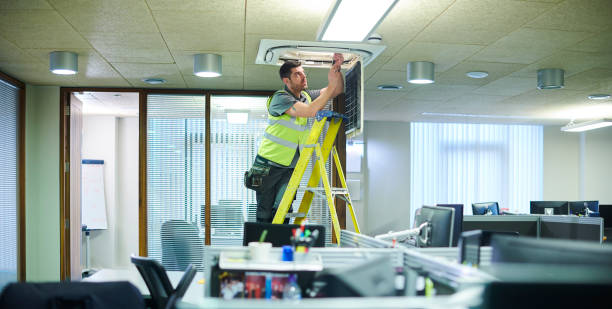
air con maintenance engineer air con maintenance engineer in empty office floor hvac contractor stock pictures, royalty-free photos & images

Growing an HVAC business in today’s competitive market requires strategic planning and implementation. Here are 10 effective strategies to help HVAC contractors drive business growth while ensuring customer satisfaction and staying ahead in the industry.

1. Enhance Your Online Presence

A strong online presence is crucial for attracting potential customers. Consider these steps:
– Build a professional website that highlights services, certifications, and customer testimonials.
– Optimize your site for search engines (SEO) by targeting keywords like “HVAC contractor near me” or “emergency AC repair.”
– List your business on local directories like Google My Business, Yelp, and Angi.

2. Leverage Local SEO

Local SEO ensures that your HVAC business appears in search results when customers in your area look for services. Key tactics include:
– Adding location-specific keywords to your website content.
– Keeping your business hours, address, phone number (NAP), and service areas consistent across online platforms.

3. Offer Maintenance Plans

Recurring revenue from maintenance contracts can provide a stable income stream and increase customer retention rates. Maintenance plans often include regular inspections, discounted repairs, or priority scheduling.

4. Use Digital Marketing Campaigns

Digital campaigns can help you target specific audiences more effectively than traditional methods like print ads or radio spots:
– Google Ads can help you reach customers actively searching for HVAC services.

– Social media advertising allows you to promote seasonal offers or discounts.

5. Focus on Customer Relationship Management (CRM)

Investing in a good CRM system helps you organize leads, track interactions with customers, and follow up efficiently:
| CRM Benefits | Example Tools | |————–|———————| | Lead tracking | HubSpot CRM | | Appointment scheduling | Service Titan | | Email marketing automation | Salesforce |

6. Expand Service Offerings

Offering additional services can differentiate your business from competitors:
– Air quality testing
– Smart thermostat installation
– Energy-efficient system upgrades

Diversifying services ensures that you cater to emerging customer needs.

7. Build Strong Referral Programs

Word-of-mouth referrals are critical for HVAC businesses. To encourage referrals:
– Offer discounts or free maintenance visits to existing customers who refer new clients.

– Create partnerships with local contractors or real estate agents who may recommend your services.

8. Invest in Employee Training

Skilled technicians provide better service quality and improve customer satisfaction:

– Provide regular training sessions on new technologies.

– Ensure employees are certified with the latest industry requirements.

9. Monitor Performance Metrics

Tracking performance metrics helps identify strengths and weaknesses: | Metric | Why It Matters | |————————-|—————————————–| | Customer satisfaction rate | Measures service quality | | Lead conversion rate | Tracks marketing effectiveness | | Revenue per job | Evaluates profitability of services |

10. Embrace Sustainable Practices

As energy efficiency becomes more critical to homeowners, incorporating eco-friendly solutions into your offerings can increase demand for your services:

– Promote systems with better SEER ratings.

– Educate customers about the benefits of energy-efficient upgrades.

By implementing these strategies consistently over time, you position yourself as a trusted provider while driving growth for your HVAC contracting business effectively.

Boost Your Miami HVAC Contractor Services with Digital Marketing Strategies

In today’s competitive market, digital marketing has become an indispensable tool for HVAC contractors looking to expand their reach and grow their business. By leveraging the right strategies, you can increase brand visibility, attract more leads, and build lasting customer relationships. Below are some essential approaches to make the most of digital marketing for your HVAC services.

1. Build a User-Friendly Website

  • Optimize for mobile devices: Many users access websites on their smartphones or tablets. A responsive design ensures seamless functionality across all devices.
  • Highlight key services: Clearly showcase your HVAC expertise, including installation, maintenance, and repair offerings.
  • Add contact options: Include easy-to-find contact buttons for calls or inquiries.
  • Incorporate testimonials: Feature reviews from satisfied customers to build trust.

2. Implement Search Engine Optimization (SEO)

  • Optimize your website with targeted keywords such as “HVAC repair near me” or “air conditioning installation.”
  • Create quality blog content addressing common customer questions like “How often should I service my HVAC system?”
  • Claim and optimize your Google Business Profile to enhance local search visibility.
  • Ensure consistent NAP (Name, Address, Phone) information across all online directories.

3. Leverage Pay-Per-Click (PPC) Advertising

Benefit Description
Targeted Ads Show ads only to users searching for specific keywords like “emergency AC repair.”
Budget Control Set daily budgets to control ad spend and ensure cost efficiency.
Immediate Results Generate instant traffic and leads compared to organic SEO efforts.

Platforms like Google Ads or Bing Ads are excellent starting points.

4. Engage Customers Through Social Media

  • Share tips on maintaining HVAC systems during seasonal changes.
  • Post behind-the-scenes content of your team at work—this humanizes your brand.
  • Run contests or promotions offering free inspections or discounts on services.
  • Use platforms like Facebook, Instagram, and LinkedIn depending on where your audience is most active.

5. Email Marketing Campaigns

  • Send timely reminders about seasonal maintenance needs.
  • Offer exclusive discounts or promotions through email campaigns.
  • Share educational resources like energy-efficiency guides tailored to homeowners’ needs.

6. Utilize Online Reviews and Reputation Management

  1. Encourage satisfied clients to leave reviews on platforms such as Google My Business or Yelp.
  2. Respond promptly—and professionally—to both positive and negative reviews.
  3. Use feedback from reviews as opportunities for improvement.

Final Thoughts

By investing in digital marketing strategies such as SEO optimization, PPC advertising, social media engagement, email campaigns, and reputation management tools, HVAC contractors can significantly boost their outreach efforts while staying relevant in an increasingly competitive industry landscape.

Using Digital Marketing Strategies to Promote AC Repair Miami Services

In today’s competitive marketplace, leveraging digital marketing strategies is essential for HVAC contractors looking to expand their customer base and grow their businesses. With the majority of customers turning to online platforms for research and recommendations, a strong digital presence can set your business apart from the competition. Below are actionable strategies to help you effectively market your HVAC services online.

How to Optimize Your HVAC Company Miami, FL Website for Search Engines

Search Engine Optimization (SEO) is critical to ensure your website ranks high on search engine results pages (SERPs). A well-optimized website improves visibility and drives organic traffic.

  • Use Relevant Keywords: Identify commonly searched terms like “HVAC repair near me” or “AC installation services” and strategically incorporate them into your site’s content.
  • Improve Page Speed: Ensure that your website loads quickly, as slow-loading sites can drive users away.
  • Mobile-Friendly Design: Many users search for services on mobile devices. Make sure your website is optimized for mobile viewing.

Optimize PPC Advertising for AC Replacement Miami

Paid advertising through platforms like Google Ads allows you to target potential customers actively searching for HVAC services in your area.

  • Set a Budget: Determine a monthly budget based on the competitiveness of your market.
  • Target Local Customers: Use geo-targeting to reach homeowners within your service territory.
  • Monitor Campaign Performance: Regularly analyze metrics such as click-through rates (CTR) and conversion rates to optimize campaigns.

Leverage Social Media Marketing

Social media platforms are excellent tools for building brand awareness, engaging with potential customers, and showcasing your expertise.

  • Create Valuable Content: Share tips on maintaining HVAC systems, seasonal service reminders, or energy efficiency recommendations.
  • Engage Users: Respond promptly to inquiries and comments to build trust with followers.
  • Run Promotions: Offer discounts or seasonal deals via social media campaigns.

Use Email Marketing Effectively

Email marketing remains one of the most cost-effective ways to nurture leads and stay connected with current customers.

Email Type Purpose
Seasonal Reminders Encourage pre-summer or pre-winter maintenance checks.
Educational Content Provide energy-saving tips or information about new HVAC technologies.
Exclusive Promotions Share limited-time offers or discounts on services.

Encourage Online Reviews

Customer reviews significantly impact purchasing decisions in the service industry. Positive feedback builds credibility and trust with prospects.

  1. Request feedback after completing a job via email or text message.
  2. Direct satisfied customers to review platforms like Google My Business or Yelp.
  3. Respond courteously to both positive and negative reviews to demonstrate professionalism.

Leverage Content Marketing

Content marketing establishes you as an industry authority while improving SEO performance.

Content Type Example Topics
Blog Posts “How Often Should You Service Your HVAC System?”
Videos “Quick Tips for Maintaining Your AC Unit at Home”
Infographics “Energy Efficiency Checklist for Homeowners”

By consistently producing high-quality content tailored to the needs of your audience, you can attract more visitors while providing value that builds loyalty over time.

Adopting these digital marketing strategies will position your business for sustainable growth in an increasingly competitive industry landscape. Regular evaluation of these efforts will help ensure they align with evolving market trends and customer expectations.

The Importance of Customer Relationship Management for HVAC Contractors

Customer Relationship Management (CRM) is a critical component of any successful HVAC contracting business. It goes beyond simply maintaining contact information; it is about building long-term relationships, enhancing customer satisfaction, and ensuring repeat business. HVAC contractors, like any service-based business, thrive on customer trust and loyalty. A well-executed CRM strategy can help create a solid foundation for sustainable growth.

Why CRM Matters for HVAC Contractors

  1. Improved Customer Retention
    Retaining existing customers is more cost-effective than acquiring new ones. A strong CRM system enables contractors to track service history, send timely maintenance reminders, and offer personalized services that keep customers coming back.
  2. Streamlined Communication
    Clear and consistent communication is key in the HVAC industry. CRM tools allow you to manage client interactions efficiently by providing real-time updates about ongoing projects or upcoming appointments.
  3. Enhanced Service Quality
    With access to detailed customer profiles and service histories, technicians can deliver tailored solutions that meet specific client needs, thereby improving overall service quality.
  4. Data-Driven Decision-Making
    Modern CRM systems provide valuable analytics that help contractors understand their customers better. This data can be used to identify trends, improve marketing campaigns, and optimize operations.

Filter Change on Make up Air Unit Preventative maintenance on a commercial roof top swamp cooler hvac contractor stock pictures, royalty-free photos & images

Features of an Effective CRM System

Feature Benefit
Scheduling & Dispatch Organize appointments efficiently and optimize technician routes.
Customer Database Management Maintain detailed records of clients’ preferences and service history.
Automated Follow-Ups Send reminders about maintenance schedules or special promotions.
Reporting & Analytics Gain insights into customer behavior and operational performance.
Mobile Accessibility Enable technicians to access client details from anywhere in real-time.

Best Practices for Implementing CRM in an HVAC Business

  • Train Your Team: Ensure your team understands how to use the CRM software effectively.
  • Segment Your Customers: Group customers based on factors like location, service type, or frequency of engagement.
  • Automate Routine Tasks: Use automation for appointment scheduling, follow-ups, or invoice generation.
  • Gather Feedback: Regularly ask customers for feedback on their experiences and store this information in your CRM system.
  • Monitor Key Metrics: Track metrics such as customer retention rates or average response times to identify areas for improvement.

Advantages Beyond Technology

While technology plays a significant role in CRM implementation, human connection remains vital. Personal touches such as handwritten thank-you notes after major installations or follow-up calls after a repair go a long way in building trust with clients.

Ultimately, investing time and resources into effective customer relationship management not only fosters loyalty but also positions your HVAC contracting business as one that truly prioritizes its clients’ needs—giving you a competitive edge in an increasingly crowded market space.

Expanding Service Offerings to Stay Competitive as an HVAC Contractor

In the fast-evolving HVAC industry, staying competitive requires more than just excellent service. Expanding your service offerings is a key strategy that not only helps attract new customers but also ensures you retain existing ones. By diversifying your services, you can adapt to changing market demands and position yourself as a comprehensive solution provider. Below are several ways HVAC contractors can expand their service offerings effectively.

1. Add Preventative Maintenance Plans

Many homeowners and businesses seek regular maintenance for their HVAC systems to avoid costly repairs or replacements. Offering preventative maintenance plans can provide customers with peace of mind while generating steady, recurring income for your business.

Key Features of Maintenance Plans:
– Seasonal inspections (e.g., before summer or winter)
– Cleaning and replacing air filters
– Checking refrigerant levels and system efficiency
– Discounts on repairs or emergency services

These plans not only benefit customers but help you build long-term relationships.

2. Include Indoor Air Quality Solutions

  • Air purification systems (e.g., UV lights, HEPA filters)
  • Humidifiers and dehumidifiers for optimal humidity control
  • Duct cleaning services to reduce allergens and improve airflow

By addressing IAQ concerns, you meet an important health demand that resonates with both residential and commercial clients.

3. Energy Efficiency Upgrades

Service/Upgrade Benefits
Smart thermostats Enhanced convenience & savings
High-efficiency HVAC systems Reduced energy consumption
Zoning systems Customized comfort in each room

You could also educate customers about potential tax credits or rebates available for installing energy-efficient systems, adding value to your offerings.

4. Emergency Repair Services

HVAC breakdowns often occur unexpectedly, leaving customers desperate for immediate solutions. Providing 24/7 emergency repair services is an effective way to gain trust and stand out from competitors in the market.

Key Points for Emergency Services:
– Guaranteed response times (e.g., within 2 hours)
– Clear pricing structures with no hidden fees
– Technicians trained in diagnosing issues quickly

Offering prompt assistance during critical times builds customer loyalty over the long term.

5. Expand into Niche Markets

  • Geothermal heating and cooling systems – A sustainable option gaining popularity among eco-conscious property owners.
  • Commercial refrigeration repair – Businesses like restaurants often need reliable technicians for refrigeration services.
  • HVAC retrofitting – Upgrading outdated systems in older buildings without full replacements.

These niche markets often have less competition and higher profit margins compared to standard residential services.

Final Thoughts on Service Expansion

As customer preferences shift towards sustainability, convenience, and advanced technology, diversifying your service menu allows you to meet these needs head-on. Whether it’s offering preventative maintenance plans or introducing cutting-edge solutions like smart home integration, expanding your capabilities ensures that you remain competitive while delivering exceptional value to clients.

Embracing Energy Efficiency and Sustainability in the HVAC Industry

In today’s evolving marketplace, energy efficiency and sustainability have become critical considerations for both businesses and consumers. HVAC contractors are uniquely positioned to take advantage of this growing trend by incorporating energy-efficient practices and sustainable technologies into their offerings. By doing so, contractors can not only meet customer demands but also set themselves apart from competitors.

Why Energy Efficiency Matters in HVAC

  • Cost Savings: Energy-efficient systems reduce utility bills for customers by using less power to maintain optimal heating, cooling, or ventilation.
  • Regulatory Compliance: Many regions now have stringent regulations on energy consumption and emissions. Staying ahead of these standards ensures compliance while demonstrating environmental responsibility.
  • Consumer Demand: Increasing awareness among consumers regarding environmental impact has created a strong demand for green solutions.
  • Operational Benefits: Systems designed with energy efficiency in mind often have longer lifespans, require less maintenance, and operate more effectively.

Sustainable Practices for HVAC Contractors

  1. Focus on installing ENERGY STAR-certified HVAC systems that use less power.
  2. Provide heat pumps, smart thermostats, and variable refrigerant flow (VRF) systems as alternatives to traditional systems.
  3. Transition away from older refrigerants like R-22, which contribute to ozone depletion.
  4. Use newer options such as R-410A or other low-global-warming-potential (GWP) refrigerants.
  5. Promote regular system maintenance to ensure peak performance and avoid unnecessary energy waste.
  6. Educate customers on cleaning filters or ducts properly to improve air quality and system efficiency.
  7. Minimize waste during installations by recycling old equipment whenever possible.
  8. Use materials that are environmentally safe during the installation process.
  9. Provide consultations on how customers can reduce their carbon footprint through smarter usage of their systems.
  10. Offer resources such as guides or workshops focusing on sustainable living practices related to heating and cooling.

Benefits of Embracing Sustainability

Benefit Explanation
Increased Customer Loyalty Customers value businesses that align with their beliefs about sustainability.
Competitive Edge Differentiates your services in an increasingly crowded marketplace.
Cost Reductions Using efficient equipment lowers operational costs over time.
Future-Proofing Your Business Prepares you for future regulations focused on climate change initiatives.

Partnering with Green Organizations

  • Work with suppliers who offer eco-friendly products.
  • Seek certifications like LEED (Leadership in Energy & Environmental Design) or Green Seal certifications to showcase your commitment.

By embracing energy efficiency and sustainability, HVAC contractors will not only provide better value to their clients but also contribute meaningfully towards creating a greener future for all stakeholders involved.

Investing in Employee Training and Development for Better HVAC Services

Investing in employee training and development is a key component of running a successful HVAC contracting business. By prioritizing the skills, knowledge, and professional growth of your team, you can ensure higher-quality service delivery, improve customer satisfaction, and enhance employee retention. Below are some effective strategies to focus on when developing training programs for your HVAC workforce.

Benefits of Employee Training in HVAC Services

  1. Improved Technical Skills:
    Regular training helps employees stay updated with the latest tools, techniques, and technologies in the HVAC industry. This ensures they can efficiently handle both traditional systems and modern energy-efficient solutions.
  2. Enhanced Customer Service:
    Soft skill training programs enable technicians to communicate effectively with clients, explain repairs or installations clearly, and foster strong customer relationships.
  3. Adherence to Safety Standards:
    Routine safety education reduces workplace accidents by reinforcing best practices for handling equipment like refrigerants and electrical components.
  4. Increased Productivity:
    Well-trained employees are more confident and efficient in their tasks, completing projects faster without compromising on quality.
  5. Greater Employee Retention:
    Offering professional development opportunities demonstrates a commitment to your workforce’s growth. This boosts job satisfaction and reduces turnover rates.

Key Areas of Training for HVAC Employees

  • Refrigeration cycle mechanics
  • Installation best practices
  • Troubleshooting complex systems
  • Use of diagnostic tools
  • Understanding SEER (Seasonal Energy Efficiency Ratio) ratings
  • Implementing eco-friendly heating/cooling systems
  • Promoting sustainable solutions to clients
  • Active listening during client consultations
  • Resolving disputes professionally
  • Upselling relevant services or maintenance packages
  • OSHA (Occupational Safety and Health Administration) standards
  • Handling hazardous materials like refrigerants safely
  • Electrical safety guidelines

Methods for Delivering Effective Training

  1. On-the-Job Coaching: Pair experienced technicians with new hires so they can learn through observation and hands-on practice.
  2. Certifications & Licensing Programs: Encourage team members to pursue certifications such as EPA (Environmental Protection Agency) certification or NATE (North American Technician Excellence).
  3. Workshops & Seminars: Host regular workshops facilitated by industry experts to discuss emerging technologies or regulatory updates.
  4. E-Learning Platforms: Provide access to online courses that cover technical topics as well as soft skills at a self-paced level.
  5. Vendor-Specific Training Sessions: Collaborate with equipment manufacturers who often offer specialized product training sessions tailored around their offerings.

Measuring the Impact of Employee Training

Key Metrics How to Measure
Job Performance Monitor speed and accuracy during service calls
Certification Success Track how many technicians pass certification exams
Customer Satisfaction Collect feedback through surveys post-service
Employee Retention Rates Compare turnover rates before/after implementing training

Regularly review these metrics alongside employee feedback to refine your development programs further over time.

By equipping your team with robust technical expertise as well as interpersonal skills, you empower them not only to excel on individual projects but also contribute significantly towards growing the overall reputation of your HVAC business within a competitive market landscape.


Tags:

Identifying When Your Miami HVAC System Needs an Immediate Replacement


Young cheerful construction worker with large spirit level in his hands on to construction ladder at construction site. Young cheerful construction worker wearing blue helmet, gray overalls, blue and white checkered shirt, tool belt and large spirit level in his hands on to construction ladder at construction site. Full length. hvac contractor stock pictures, royalty-free photos & images

Air conditioning systems are essential for maintaining comfort in homes and businesses, especially during warmer months. However, as these systems age, they can become inefficient or even fail entirely. Recognizing the signs that your AC unit may need immediate replacement can save you time, money, and discomfort.

How Rising Energy Bills Signal the Need for AC Repair Miami

One of the earliest indicators of a failing air conditioning unit is a noticeable increase in energy bills. As AC units age or suffer from wear and tear, they tend to lose efficiency and consume more energy to cool your space effectively. If your utility costs have spiked without a corresponding increase in usage, it might be time to evaluate your system.

  • Compare monthly bills from the past two years
  • Check for fluctuations that coincide with older equipment performance issues
  • Evaluate whether repairs have consistently failed to improve energy efficiency

Frequent Repairs? Find a Reliable HVAC Company Miami, FL Can Trust

If you find yourself calling an HVAC technician multiple times within a year for repairs, it may be time to replace your system instead of continuing with patchwork fixes. Constant repairs not only strain your budget but also indicate that the system’s lifespan is nearing its end.

Signs Your Repairs Are Becoming Excessive:
– Replacing major components like compressors or coils more than once
– Unusual noises or vibrations persisting despite maintenance
– Diminished cooling power even after professional service

Repair Frequency Next Step
Once every few years Continue with repairs
Two or more annually Consider replacement

Signs You May Need an AC Replacement Miami Homeowners Shouldn’t Ignore

  • Aging ductwork with leaks or obstructions
  • A struggling compressor unable to maintain consistent output
  • An undersized system that no longer meets household needs

When these issues persist despite attempts at repair, replacing the entire unit may be more effective than addressing individual components piecemeal.

4. The Age of Your Current AC Unit

Most air conditioners last between 10–15 years when properly maintained. If your system has reached or exceeded this range, upgrading to a newer model can significantly improve energy efficiency and cooling performance.

Benefits of Replacing an Older Unit:
– Access to modern HVAC technology such as smart thermostats and variable-speed motors
– Improved Seasonal Energy Efficiency Ratio (SEER) ratings for lower running costs
– Reduced likelihood of breakdowns during peak use seasons

5. Poor Indoor Air Quality (IAQ) Issues

  • Test IAQ levels using professional equipment if possible
  • Consider replacing filters regularly but consult whether updating filtration systems is practical alongside outright replacement options

By identifying these critical signs early on—ranging from rising bills through operational declines—you empower yourself better decision-making regarding replacing outdated central systems efficiently

Understanding When to Repair or Completely Replace Your AC Unit for Maximum Efficiency

When your air conditioning unit begins to falter, it’s not always immediately clear whether you should repair it or opt for a full replacement. Making the right decision is crucial, as it impacts both the comfort of your home and the long-term energy efficiency of your HVAC system. Below, we outline key considerations to help guide this important choice.

Factors to Evaluate Before Deciding

  1. Air conditioners typically last between 10-15 years with proper maintenance. If your AC is nearing or has exceeded this lifespan, replacement may be more cost-effective than frequent repairs.
  2. Evaluate how often repairs are needed and calculate their cumulative costs.
  3. A good rule of thumb: if repair expenses exceed 50% of the cost of a new unit, replacement is likely the wiser option.
  4. Older units tend to have lower Seasonal Energy Efficiency Ratio (SEER) ratings than modern models.
  5. Upgrading to an energy-efficient system can significantly reduce monthly utility bills while benefiting the environment.
  6. Persistent problems like uneven cooling, loud operational noises, or poor humidity control may indicate that the system is no longer functioning optimally.
  7. Replacing outdated technology can resolve these issues and improve overall comfort.

Benefits of Replacement Over Repair

  • Improved Energy Savings: Modern systems with higher SEER ratings are designed to consume less energy while delivering better performance.
  • Enhanced Reliability: A new system eliminates frequent breakdowns and ensures consistent cooling during peak summer months.
  • Advanced Features: Many newer HVAC systems come equipped with additional features such as smart thermostats, improved filtration systems, and zoned cooling for tailored comfort.
Repair vs Replacement Considerations Repair Option Replacement Option
Cost Lower upfront cost but may add up over time when frequent repairs are needed Higher initial investment but more economical in the long run
Efficiency Gains Limited improvement Significant increase in energy savings
Suitability for Older Units (10+ years) Not recommended Highly recommended
Environmental Impact Minimal impact Reduces carbon footprint

Consulting an HVAC Professional

  • Assess the current condition and efficiency of your AC unit.
  • Identify underlying issues that might not be immediately noticeable.
  • Provide expert advice on whether repair or replacement is financially and functionally beneficial.

By carefully weighing these factors against professional guidance, you can ensure that your investment aligns with both immediate needs and long-term goals for energy efficiency and home comfort.

The Importance of Air Conditioning Repair Miami Services Before Deciding on a Replacement

When facing issues with your air conditioning (AC) system, deciding between repairing or replacing the unit can be challenging. This decision becomes even more critical when energy efficiency, comfort, and long-term costs are all on the line. A professional HVAC inspection plays a vital role in ensuring that homeowners make informed decisions about their cooling systems. Below, we explore why this evaluation is essential and how it can save you time, money, and unnecessary headaches.

1. Accurate Diagnostics

A professional inspection ensures that your AC system is thoroughly assessed for potential issues. Common areas of evaluation include:
– Refrigerant levels
– Compressor performance
– Airflow effectiveness
– Electrical components such as capacitors and contactors

This detailed analysis helps identify whether the problem can be resolved through repairs or if a replacement is necessary.

2. Preventing Unnecessary Repairs or Replacements

HVAC Technician Installing Pool Heater Near Swimming Pool A HVAC technician is installing a pool heat pump near a swimming pool. He is using a power drill to secure the unit. The pool is blue and the surrounding area is green grass. hvac contractor stock pictures, royalty-free photos & images

Sometimes what seems like a significant issue may only require minor adjustments or maintenance. For instance:
– A slight refrigerant leak could mimic the symptoms of a failing compressor.
– Dirty air filters might be causing poor airflow instead of an actual mechanical issue.

By addressing these minor problems early, you might avoid spending money on unnecessary replacements.

3. Assessing System Efficiency and Lifespan

Factor Questions to Address Impact on Decision
Unit Age Is the system over 10-15 years old? Older units may justify replacement over repair.
Energy Efficiency Is the SEER (Seasonal Energy Efficiency Ratio) outdated? Low ratings often indicate high operating costs.
Repair History How frequently has it needed repairs in recent years? Frequent breakdowns hint at diminishing reliability.

This assessment ensures you’re not only solving today’s issues but also planning for long-term savings.

What Does an Inspection Typically Include?

  1. Visual Examination – Inspect ducts, vents, coils, and overall wear-and-tear signs.
  2. Performance Testing – Measure airflow rates and thermostat function.
  3. Refrigerant Check – Ensure optimal refrigerant levels to prevent inefficiencies.
  4. Electrical Evaluation – Test wiring connections for safety hazards.
  5. Leak Detection – Identify any refrigerant or condensate leaks impacting functionality.

These procedures provide homeowners with clear insights into their AC unit’s current state.

Risks of Skipping Professional Inspections

  • Inaccurate Diagnoses: DIY assessments or untrained opinions may overlook critical factors like ductwork leaks or faulty sensors.
  • Higher Costs Over Time: Opting for repeated repairs without addressing root causes could lead to escalating expenses.
  • Compromised Comfort: An improperly functioning AC system affects indoor air quality and temperature control, reducing overall comfort levels during peak seasons.

Final Thoughts

Incorporating a professional inspection into your decision-making process ensures you have all necessary information about your AC system’s health before investing in repairs or replacements. With accurate diagnostics from trained technicians, you’ll avoid costly mistakes while optimizing energy savings and home comfort in the long term.

How to Address and Improve Poor Airflow Issues in Your Central AC System

Poor airflow in a central air conditioning system can significantly impact energy efficiency, indoor comfort, and the overall lifespan of your HVAC unit. Identifying the underlying causes of restricted airflow is crucial before implementing solutions. Below are key areas to focus on when addressing and improving poor airflow issues.

Common Causes of Poor Airflow

  1. A clogged air filter blocks the free flow of air, reducing system efficiency. Filters should be checked monthly and replaced every 1-3 months, depending on usage and manufacturer recommendations.
  2. Obstructions, such as debris or collapsed duct sections, can restrict airflow.
  3. Leaky ducts allow conditioned air to escape before it reaches your living spaces.
  4. If the blower motor is malfunctioning or the fan blades are damaged, this can hinder proper airflow through the system.
  5. Furniture placement, rugs, or other objects may block supply vents.
  6. Closing too many vents in unused rooms can lead to pressure imbalances that reduce overall system performance.
  7. An improperly sized air conditioner may struggle to adequately circulate air throughout your home.

Steps to Improve Airflow

  • Replace Air Filters Regularly:
    Ensure filters are clean to maintain optimal airflow. opt for high-quality filters with a suitable MERV rating for your system’s specifications.
  • Inspect Ductwork:
    Seal leaks using proper duct-sealing materials like mastic or metal tape. Professional cleaning may also help remove dirt buildup obstructing air passage.
  • Rearrange Furniture:
    Adjust furniture placement to avoid blocking supply vents and ensure that all vents remain open during operation for balanced circulation.
  • Upgrade Components:
    If the blower motor is outdated or damaged, replacing it with an energy-efficient model may increase performance while lowering energy consumption.
  • Professional System Reassessment:
    Work with an HVAC contractor to perform a load calculation based on your home’s size, insulation levels, and climate conditions to ensure you have an appropriately sized system.

Preventative Maintenance Tips

  • Schedule annual maintenance checks with a certified HVAC professional.
  • Have ducts inspected at least once every few years for leaks or damage.
  • Keep outdoor AC units free of obstructions like leaves, dirt buildup, and grass clippings.
  • Invest in a programmable thermostat to regulate temperatures efficiently without overworking your unit.
Issue Potential Solution Frequency/Timing
Dirty Air Filter Replace filter Every 1–3 months
Blocked Ductwork Clean ducts/seal leaks Every 2–5 years
Blower Motor Issues Inspect/repair/replace During maintenance
Closed Vents Rearrange furniture/open all vents As needed

Addressing poor airflow promptly ensures your central AC system runs efficiently while improving indoor comfort levels year-round. Working with a professional HVAC contractor can provide additional peace of mind through expert diagnosis and reliable solutions tailored specifically for your home’s needs.

What Common Issues HVAC Contractors Often Overlook During Initial System Evaluations

A thorough HVAC system evaluation is crucial for ensuring functionality, efficiency, and longevity. However, even experienced contractors may overlook certain issues during the initial assessment. These oversights can lead to higher energy bills, reduced comfort, and long-term damage to the system. Below is a detailed look at some of these common issues and how addressing them can make a significant difference.

1. Ductwork Leaks and Improper Sealing

One of the most commonly overlooked aspects of HVAC evaluations is ductwork. Leaky or improperly sealed ducts can cause:
– Loss of conditioned air (up to 30% in some cases)
– Increased energy consumption
– Uneven temperature distribution across rooms

Contractors should perform a detailed inspection using specialized tools such as duct blasters or smoke pencils to detect leaks. Proper sealing with mastic or foil tape can prevent these inefficiencies.

2. Incorrect System Sizing

Improperly sized systems—whether too large or too small—can lead to:
– Short cycling (frequent on-and-off cycles in oversized units)
– Difficulty maintaining desired temperatures in undersized systems
– Premature wear and tear on components

Performing Manual J calculations ensures the system matches the home’s square footage, insulation level, and climate zone requirements.

System Size Issue Impact Solution
Oversized Unit Wasted energy, short cycling Match system size using proper load calcs
Undersized Unit Poor performance Match system size using proper load calcs

3. Improper Refrigerant Levels

Low or excessive refrigerant levels can drastically reduce efficiency and cooling capabilities. Symptoms include:
– Insufficient cooling even with extended operation periods
– High energy usage due to overworking components

Contractors should use an accurate pressure gauge during inspections to ensure refrigerant levels align with manufacturer specifications.

4. Ignoring Airflow Measurements

Poor airflow is another issue often neglected during evaluations. Restricted airflow may result from:
– Dirty filters or clogged vents
– Obstructions in ducts caused by debris buildup
– Malfunctioning blower fans

Technicians should measure airflow at various points in the ductwork and replace filters regularly while cleaning vents where necessary.

5. Neglecting Thermostat Calibration

A mis calibrated thermostat can disrupt temperature control throughout your space, leading to discomfort and inefficiency. Signs include inconsistent room temperatures or inaccurate displays on programmable thermostats.

To address this:
– Verify thermostat placement (away from direct sunlight or heat sources)
– Check calibration using precise measuring tools

Final Thoughts on Comprehensive Evaluations

During their initial assessments, HVAC contractors often focus only on visible problems like damaged components but may miss underlying issues such as duct leaks or incorrect sizing. By incorporating these additional checks into their standard procedures, professionals can ensure systems operate at peak efficiency while minimizing long-term risks for property owners.


Tags:

Expert Solutions for AC Repair Miami: Tackling Common HVAC Problems


Technician Repairing Air Conditioning Unit Outside a Modern Building in Sunny Weather A technician prepares tools while standing near an air conditioning unit outdoors, ready for maintenance. hvac contractor stock pictures, royalty-free photos & images

HVAC systems are essential for maintaining comfort in homes and businesses, but like any mechanical system, they can encounter issues over time. Understanding the most common HVAC problems and how a skilled contractor can address them is key to keeping your system efficient and reliable.

Common HVAC Problems

  1. Issue: Uneven temperature distribution or weak airflow from vents.
  2. Potential Causes: Dirty air filters, clogged ductwork, or malfunctioning fans.
  3. Solution: A contractor will inspect the system to locate blockages or damaged components, replace filters, and repair ducts if needed.
  4. Issue: Reduced cooling capacity or warm air blowing from the AC unit.
  5. Potential Causes: Cracked coils or improper installation leading to refrigerant loss.
  6. Solution: Licensed contractors can safely locate leaks, repair coils, and recharge refrigerant to restore performance while adhering to environmental guidelines.
  7. Issue: The system turns on and off repeatedly without maintaining a consistent temperature.
  8. Potential Causes: Thermostat issues, oversized units, or electrical faults in the system.
  9. Solution: An HVAC professional will test thermostat calibration, assess unit size compatibility with your space, and examine wiring for potential fixes.
  10. Issue: Rattling, banging, or screeching sounds from the HVAC system during operation.
  11. Potential Causes: Loose parts, worn-out belts, or debris in fans/blowers.
  12. Solution: Contractors will perform a thorough inspection to tighten components, replace damaged belts, and clear obstructions.
  13. Issue: Unexpected spikes in utility costs despite regular usage patterns.
  14. Potential Causes: Poor maintenance leading to inefficiency or aging equipment struggling to meet demands.
  15. Solution: Contractors may recommend cleaning internal components like coils and fans or replacing outdated systems with energy-efficient models.

How Professionals Solve These Problems Effectively

  • Diagnostics Expertise: Contractors utilize advanced diagnostic tools such as thermal imaging cameras and pressure gauges to identify underlying issues accurately.
  • Preventative Maintenance Plans: Professionals often offer service agreements that include regular tune-ups and inspections to catch problems early.
  • Manufacturer-Certified Repairs: With access to original equipment manufacturer (OEM) parts and certified techniques, contractors ensure repairs enhance reliability without voiding warranties.
  • Compliance with Safety Standards: Licensed technicians follow strict safety protocols when handling refrigerants or electrical components.

Benefits of Timely Repairs by an HVAC Expert

  • Prolonged lifespan of your heating/cooling system.
  • Improved indoor air quality by resolving duct leaks and cleaning filters regularly.
  • Lower operating costs due to optimized energy efficiency.
  • Consistent comfort through stable temperature regulation across all rooms/custom spaces.
Problem Potential Cause Solution Provided by Contractor
Inconsistent Airflow Dirty filters/clogged ducts Filter replacement & duct repairs
Refrigerant Leaks Cracked coils/improper setup Detect & seal leaks; recharge refrigerant
Frequent Cycling Thermostat/electrical issue Calibration adjustment; wiring repairs
Unusual Noises Loose parts/worn-out belts Tighten components; replace belts
High Energy Bills Aging/inefficient equipment System upgrades; efficiency optimization

By understanding these common challenges and relying on expert contractors for timely interventions, homeowners can maintain their systems’ performance year-round while avoiding costly breakdowns down the road.

When to Replace Your Miami HVAC System: Key Warning Signs to Watch For

An air conditioning (AC) unit is an essential component of modern households and businesses, providing comfort during hot and humid months. However, like any mechanical equipment, AC units deteriorate over time. Recognizing when your air conditioning system requires replacement rather than repair can save you money, improve energy efficiency, and ensure you maintain a comfortable indoor environment. Below are common signs that indicate it’s time to replace your AC unit.

1. Frequent and Costly Repairs

When your AC system requires frequent repairs or if the cost of fixing its issues continues to escalate, it may be more economical to invest in a new unit. Some key points to consider:
Rule of Thumb: If repair costs exceed 50% of the cost of a new system, replacement is often the better option.
– Older systems often face recurring breakdowns due to wear and tear on critical components like compressors or evaporator coils.

2. Rising Energy Bills

An older or inefficient AC unit typically consumes more energy to perform basic cooling tasks. A spike in utility bills without an increase in usage could mean your system is losing efficiency over time due to aging parts or outdated technology.

How upgrading helps: Modern AC systems come with improved Seasonal Energy Efficiency Ratio (SEER) ratings, which result in lower energy consumption and reduced environmental impact.

Old System SEER Rating New System SEER Rating Energy Savings (%)
1 16 ~38%
2 18 ~33%

3. Uneven Cooling Throughout Your Home or Business

If certain rooms feel warmer than others despite consistent thermostat settings, this could point to an aging or failing unit that can no longer distribute air evenly.

Contributing Factors:
  • Weak airflow caused by a struggling blower motor.
  • Refrigerant leaks causing inconsistent cooling output.
  • Damaged ductwork further reducing efficiency.

Replacing your HVAC system with a newer model can address these problems while also improving overall performance.

4. The Age of Your Unit Exceeds Its Expected Lifespan

Most air conditioning units have an average lifespan of about 10–15 years with proper maintenance. If your system is nearing or has surpassed this range, it may not function as effectively as newer models equipped with advanced features like smart thermostats or variable-speed compressors.

Benefits of Upgrading:
  • Enhanced energy efficiency.
  • Reduced repair frequency.
  • Quieter operation thanks to advanced designs.

5. Use of R-22 Refrigerant (Freon)

If your air conditioner uses R-22 refrigerant—a substance that has been phased out due to environmental concerns—it is advisable to replace it as soon as possible. Repairing such systems becomes increasingly expensive since R-22 production ceased in January 2020.

Alternative: Newer systems use eco-friendly refrigerants like R-410A that are more efficient and environmentally sustainable.

Why Addressing These Signs Matters

Delaying replacement when these indicators are present can result in higher long-term costs due to:
1. Increased energy consumption.

2. Greater likelihood of emergency breakdowns during peak seasons.

3. Diminished indoor comfort for occupants.

By recognizing these signs early and consulting with a professional HVAC contractor, property owners can make informed decisions about replacing their air conditioning systems before issues escalate further.

Signs Your Air Conditioner Needs Replacement by a Trusted HVAC Company Miami, FL

An air conditioning unit plays a critical role in maintaining a comfortable indoor environment, especially during the hot summer months. However, like any mechanical system, it has a finite lifespan and will eventually need to be replaced. Recognizing the signs of a failing air conditioning unit early can save you money and prevent more significant issues from arising. Below are some key indicators that your system may require immediate replacement.

Essential Tips for AC Replacement Miami Homeowners Should Know

  1. If your AC unit requires constant repairs, it may indicate that its core components are breaking down due to age or overuse.
  2. Repair costs piling up over time can often exceed the cost of investing in a new unit.
  3. Uneven cooling in different areas of your home or business can point to an aging or malfunctioning system.
  4. If your energy bills have been steadily increasing despite consistent usage patterns, this could be another sign of reduced efficiency.
  5. Strange sounds such as grinding, rattling, or squealing often signal mechanical issues that might not be repairable.
  6. Persistent musty odors could indicate mold growth within the system due to poor functioning.
  7. Most HVAC systems last between 10-15 years with proper maintenance. If your system is nearing or surpassing this age range, replacement is likely more cost-effective than repairs.
  8. Older units often lack modern energy-efficient features and may cost you more in monthly utility expenses.
  9. Leaks of refrigerant (such as R-22 Freon) not only reduce cooling performance but also pose environmental and health concerns.
  10. Units reliant on older refrigerants like R-22 are increasingly difficult and expensive to maintain due to regulatory phase-outs.

Benefits of Replacing an Aging Air Conditioning Unit

Benefit Description
Improved Energy Efficiency Modern systems with higher SEER ratings consume less energy, reducing utility costs significantly.
Enhanced Indoor Comfort Newer units ensure even cooling and better humidity control across all areas of your home or office.
Reduced Maintenance Costs A new system minimizes repair expenses for years to come due to advanced technologies and warranties.
Environmental Impact Many newer models use eco-friendly refrigerants that adhere to current regulations aimed at reducing greenhouse gases.

When Should You Call an HVAC Contractor?

  • A licensed contractor can perform a thorough inspection and confirm whether repairs are viable or if replacement is necessary.
  • They can provide guidance on selecting an appropriately sized unit for optimal performance in your space.
  • Professional installation ensures compliance with industry standards, enhancing both safety and long-term functionality.

Replacing an outdated air conditioner is an investment that improves comfort while lowering operational costs over time—an essential step toward maintaining a functional and efficient indoor environment year-round. Always seek expert advice before making major decisions about your HVAC system’s future to ensure quality results tailored specifically for your needs.

heating engineer installing system heating engineer installing system hvac contractor stock pictures, royalty-free photos & images

How to Choose the Right HVAC Contractor for Your Home or Business Needs

Selecting the right HVAC contractor is crucial for ensuring the performance, longevity, and efficiency of your heating and cooling systems. A poor choice can lead to substandard work, frequent repairs, or even system failure. Below are several factors to consider when choosing an HVAC contractor for your home or business.

Evaluate Credentials and Certifications

When hiring an HVAC contractor, always verify their credentials and certifications. A professional contractor should possess:
State or Local Licensing: Ensure they meet licensing requirements in your area.
Industry Certifications: Look for certifications such as NATE (North American Technician Excellence), which signifies a high level of expertise.
Insurance Coverage: Confirm they have liability insurance to protect you in case of accidental damage during the project.

Research Reputation and Reviews

A reputable contractor will have a consistently positive track record with past clients. Key steps include:
– Checking online reviews on platforms like Google, Yelp, or the Better Business Bureau (BBB).
– Requesting references from the contractor and contacting previous customers for feedback on their experience.
– Asking friends, family, or colleagues for recommendations based on their experiences with local contractors.

Assess Their Experience and Expertise

Choose a contractor with extensive experience in installing, maintaining, and repairing HVAC systems like yours. Key considerations include:
– Years in business: Contractors with long-standing operations often bring a higher degree of reliability and skill.
– Expertise with specific systems: If you have specialized equipment such as geothermal units or ductless mini-split systems, confirm they have experience working with these technologies.

Request Detailed Estimates

Before committing to an HVAC contractor, obtain written estimates from at least three companies. Ensure the estimates include details such as:
| Service Type | Cost Estimate | Timeline | Warranty Details | Additional Notes |
|———————–|—————|———-|——————|—————————–|
| System Installation | $X-$Y | X Days | Manufacturer’s + Labor Warranties | Include ductwork modifications if necessary |
| Routine Maintenance | $X-$Y | X Hours | N/A | Includes air filter replacement |

A detailed estimate allows you to compare prices accurately while understanding exactly what each company offers.

Check Availability of Maintenance Plans

  • Seasonal system inspections.
  • Air filter replacements.
  • Lubrication of moving components.
  • Priority service scheduling during peak seasons.

Look for Clear Communication and Professionalism

Effective communication is essential when working with any service provider.

During consultations:

1. Pay attention to how thoroughly they answer your questions.

2. Note whether they explain technical details in clear terms without using excessive jargon.

3. Observe punctuality and organization – these qualities often reflect their overall approach to work.

By focusing on these aspects when selecting an HVAC contractor, you can ensure reliable service that meets your home or business needs effectively over time.

Top Tools and Technologies for Air Conditioning Repair Miami Professionals to Deliver Quality Services

Professional HVAC contractors rely on advanced tools and technologies to ensure efficient, accurate, and high-quality services. These tools not only help streamline their work but also enhance the overall performance and longevity of HVAC systems. Here’s a detailed look at some of the key tools and technologies used by experienced HVAC professionals.

Essential Tools for HVAC Contractors

  • Refrigerant Gauges: Used for measuring refrigerant levels in air conditioning systems to ensure proper charging.
  • Multimeters: Essential for diagnosing electrical issues such as faulty circuits or shorted wires within an HVAC system.
  • Manifold Gauges: Help monitor pressures in air conditioning systems while working with refrigerants.
  • Pipe Cutters: Designed for precise cutting of copper or PVC pipes during installations or repairs.
  • Duct Lifters: Assist in lifting heavy ducts into position during large-scale installations.

These basic tools are indispensable for ensuring that all components of an HVAC system are installed or repaired with precision.

Advanced Diagnostic Equipment

  1. Allow contractors to measure temperature variations within a system without physical contact.
  2. Useful for identifying hot spots or areas with poor airflow.
  3. Specialized devices capable of detecting refrigerant leaks in cooling systems.
  4. Prevent costly repairs by identifying problems early.
  5. Measure airflow velocity and temperature across ducts and vents.
  6. Ensure balanced air distribution throughout the property.
  7. Provide visual representations of temperature differences inside walls, ceilings, or ductwork.
  8. Allow contractors to pinpoint insulation inefficiencies or blockages quickly.

Emerging Technologies Enhancing HVAC Services

  • Enable real-time monitoring and remote control of heating and cooling systems through mobile apps.
  • Help homeowners optimize energy usage while providing valuable system diagnostics data to contractors.
  • A digital representation technology used for designing complex ductwork layouts in commercial properties before installation begins.
  • Reduces potential errors during large-scale projects.
  • Devices that continuously monitor HVAC performance metrics such as energy consumption, system health, or humidity levels remotely.
  • Ensure predictive maintenance processes by alerting technicians before breakdowns occur.

Safety Gear: A Priority for Every Contractor

  • Insulated gloves for handling electrical components
  • Safety goggles to protect against flying debris
  • Respirators when working with potentially harmful chemicals like refrigerants
  • Hard hats on construction sites where overhead risks exist

Benefits of Using Modern Tools and Technologies

Benefits Explanation
Faster Diagnostics Modern equipment helps identify issues quickly without guesswork
Precise Repairs Advanced tools enable more accurate fixes on intricate system components
Improved Energy Efficiency Smart devices optimize energy consumption, lowering costs over time

Utilizing these top-notch tools ensures that professional contractors deliver durable solutions tailored to meet customer needs while maximizing operational efficiency over the long term.

Why Professional Expertise Matters in Diagnosing and Repairing Complex HVAC Issues

HVAC systems are integral to maintaining comfortable indoor environments, whether at home or in commercial spaces. However, when problems arise, diagnosing and repairing these systems can be highly complicated due to their intricate components and interdependent functions. This is why the role of a professional HVAC contractor with specialized expertise is essential. Below, we explore the key reasons why professional knowledge matters when addressing complex HVAC issues.

Advanced Knowledge of System Components

Professionals understand how each part interacts with the others, enabling them to pinpoint not just obvious issues but also underlying problems that may lead to system failure if left unaddressed.

Accurate Problem Diagnosis

  • Pressure gauges for refrigerant levels
  • Thermal scanners for detecting uneven temperature zones
  • Digital multimeters for assessing electrical connections

Without this expertise and equipment, misdiagnosis becomes a common risk. For instance, low airflow could result from ductwork leaks rather than compressor failure—a distinction only a skilled technician can make.

Preventing Further Damage

  • Correctly sealing refrigerant leaks to prevent environmental damage
  • Ensuring proper calibration of thermostats for accurate temperature regulation
  • Replacing worn-out motor parts without damaging adjacent components

This proactive approach minimizes the risk of further complications while extending your system’s lifespan.

Cost-Efficiency Through Expertise

Issue Amateur Approach Professional Solution Savings Achieved
Refrigerant Leaks Temporary patch Comprehensive repair with proper tools Reduced energy bills
Faulty Thermostat Replacement without recalibration Precise testing and recalibration Enhanced efficiency
Clogged Ducts Surface cleaning Thorough duct inspection & deep cleaning Improved airflow

Professionals tackle root causes rather than surface symptoms, ensuring long-term functionality.

Staying Up to Date with Evolving Technologies

The HVAC industry continually evolves with advancements in technology such as smart thermostats, energy-efficient systems, and eco-friendly refrigerants. Certified contractors stay informed through regular training sessions and certifications (e.g., NATE certification), ensuring they are equipped to handle modern systems effectively.

Proper diagnosis and repair of an HVAC system require skill, experience, and access to industry-standard tools—qualities that only professional contractors bring to the table. Their expertise ensures safe operation while maintaining optimal performance across all seasons.


Tags:

Top Trends in AC Repair Miami Residents Should Know by 2025

Man engineer using tablet working at rooftop building construction. Male technician worker working checking HVAC of office building. Engineering installing large air conditioning system. Man engineer using tablet working at rooftop building construction. Male technician worker working checking HVAC of office building. Engineering installing large air conditioning system. hvac contractor stock pictures, royalty-free photos & images

1. Transition Toward Energy Efficiency and Sustainability

  • Government Regulations: Stricter energy efficiency standards such as SEER (Seasonal Energy Efficiency Ratio) requirements in air conditioning units compel manufacturers to innovate.
  • Consumer Demand: Modern homeowners actively seek eco-friendly systems like heat pumps or geothermal solutions.
  • Green Building Certifications: LEED-certified buildings often require advanced HVAC equipment designed to reduce greenhouse gas emissions.

Investing in sustainable solutions benefits both contractors and consumers by ensuring compliance with regulations while reducing long-term energy costs.

2. Smart Technology Integration

  • Remote Monitoring: Advanced sensors allow users to monitor temperature or air quality via mobile applications.
  • Predictive Maintenance: IoT-enabled systems use data analytics to identify potential issues before they lead to costly breakdowns.
  • Voice Assistance Compatibility: Many modern systems now integrate with devices like Amazon Alexa or Google Assistant for seamless automation.

Smart technology is now a key selling point for HVAC contractors aiming to provide value-added services.

3. Workforce Challenges and Upskilling

  • New refrigerants compliant with global standards.
  • Installation techniques for high-tech equipment like ductless mini-split systems.
  • Utilizing digital tools for diagnostics and service delivery.

Apprenticeships, trade schools, and online training platforms can help mitigate these challenges while ensuring workers stay competitive.

4. Rise of Heat Pump Technology

Heat Pump Type Key Features Applications
Air Source Cost-effective; widely used Residential & commercial properties
Ground Source Higher initial cost; durable Eco-conscious residential projects
Hybrid Systems Combines heat pump & furnace Cold-climate regions

This trend aligns closely with sustainability goals as heat pumps significantly reduce carbon footprints while maintaining optimal comfort levels.

5. Private Equity Driving Market Consolidation

  • Access to expanded service areas through mergers.
  • Enhanced operational efficiencies via shared resources.
  • Opportunities for professional development through larger organizational support.

As consolidation continues throughout the industry, it will likely create a more competitive landscape where small businesses must differentiate themselves with specialized services or niche expertise.

Understanding these trends helps professionals make informed decisions on which technologies or strategies best align with their business goals while addressing customer demands effectively. As innovation reshapes the market landscape, staying ahead requires proactive adaptation tailored to these emerging developments.

Energy Efficiency and Sustainability: A Focus for HVAC Company Miami, FL

As the global focus on environmental conservation and energy efficiency intensifies, the HVAC industry is undergoing a transformative shift toward more sustainable practices. Properly designed, installed, and maintained HVAC systems can significantly reduce energy consumption while improving indoor comfort. Here’s why energy efficiency and sustainability are becoming essential components of modern HVAC services.

Why Energy Efficiency Matters in HVAC

  • Reduce utility bills for customers by minimizing power consumption.
  • Lower carbon footprints by decreasing reliance on fossil fuels.
  • Improve system performance with optimized operations that require less maintenance over time.
Key Benefits of Energy-Efficient HVAC Systems

Energy-efficient HVAC technologies offer several advantages:

1. Cost Savings: Reducing energy consumption leads to noticeable savings on electricity or gas bills.

2. Enhanced Comfort: Advanced systems regulate temperature more effectively while maintaining consistent airflow.

3. Extended Equipment Lifespan: High-efficiency units typically experience less wear and tear, resulting in longer service life.

The Role of Sustainability in Today’s Market

Sustainability is no longer just a buzzword; it has become an expectation across industries. For the HVAC sector, this means offering environmentally friendly products and services that meet stricter regulations while appealing to eco-conscious consumers.

Sustainable Practices in HVAC Services

Here are some sustainable strategies being adopted:

– Employing refrigerants with low global warming potential (GWP), such as R-32 or R-1234yf.

– Promoting regular maintenance programs to enhance system performance and minimize waste.

– Recycling or properly disposing of old equipment to prevent environmental damage.

Green Certifications That Matter

Adopting sustainable solutions aligns businesses with certifications like: | Certification | Purpose | |—————|———| | ENERGY STAR | Helps identify high-efficiency products reducing emissions and operational costs. | | LEED (Leadership in Energy & Environmental Design) | Recognizes eco-friendly building projects integrating sustainable technologies like efficient HVAC systems. |

Emerging Trends Driving Energy Efficiency & Sustainability

The push for improved efficiency goes hand-in-hand with innovation in technology. Here are some trends shaping the future:

1. Smart Thermostats: Devices that leverage artificial intelligence (AI) to optimize heating and cooling schedules based on occupancy patterns. 2. Variable Refrigerant Flow (VRF): Systems allowing precise climate control across zones while conserving significant amounts of energy.

3. Solar-Powered Systems: Solutions that integrate renewable resources like solar panels into traditional heating or cooling infrastructure.

Benefits for Contractors Embracing These Practices

HVAC businesses adopting sustainable methods stand to gain competitive advantages:

– Building customer trust by offering eco-friendly options.

– Positioning themselves as leaders within an evolving market focused on sustainability goals.

– Attracting new demographics actively seeking green solutions.

By recognizing the growing importance of both energy efficiency and sustainability within their services, contractors can meet customer demands while contributing positively toward global environmental initiatives.

How Smart and Connected HVAC Systems Are Changing AC Replacement Miami Home Comfort

The HVAC industry is undergoing a technological transformation as smart and connected systems redefine how homes achieve comfort, efficiency, and environmental sustainability. These advancements are not just about convenience; they represent a paradigm shift in energy management, user control, and system performance.

Key Features of Smart HVAC Systems

  • Wi-Fi Connectivity: Allows users to control heating and cooling systems remotely via smartphones or other devices.
  • Smart Thermostats: Devices like Nest or Eco bee learn user preferences and adjust settings for optimal comfort and energy savings.
  • Sensors and Monitoring: Advanced sensors detect ambient temperature, humidity levels, air quality, and even occupancy to adjust the system’s performance in real-time.
  • Integration with Smart Home Ecosystems: Compatibility with platforms like Amazon Alexa or Google Home enables seamless voice control over HVAC settings.
  • Predictive Maintenance Alerts: Connected systems can identify potential issues before they become significant problems by monitoring key metrics.

Benefits of Connected HVAC Systems

Modern smart systems offer many advantages for both homeowners and contractors looking to improve energy efficiency while delivering optimal indoor comfort.

  1. By learning user behavior patterns, smart thermostats can reduce energy consumption during off-peak hours.
  2. Zoning capabilities allow homeowners to heat or cool specific areas without wasting energy on unoccupied spaces.
  3. Integrated air purification systems monitor air quality in real time and can adjust ventilation settings accordingly.
  4. Humidity controls ensure healthier living environments without mold growth or overly dry conditions.
  5. With automated schedules based on preferences or weather forecasts, users spend less time manually adjusting settings.
  6. Voice commands simplify adjustments for individuals who prefer hands-free operation.
  7. Reduced energy usage translates directly into lower utility bills over the long term.
  8. Predictive maintenance reduces unexpected repair costs by addressing issues early.

Challenges with Adoption

Challenge Description
Initial Cost Smart HVAC systems often require a higher upfront investment than traditional ones.
Technical Complexity Homeowners may need professional installation or support to maximize benefits.
Data Privacy Concerns With connected devices collecting data about user habits, privacy remains an issue for some consumers.

The Role of Contractors in Promoting Smart Systems

  • Providing personalized consultations that demonstrate potential cost savings using real-world examples.
  • Staying updated on emerging trends in connected technologies to recommend solutions tailored to customer needs.
  • Offering maintenance packages optimized for smart systems to build long-term client relationships.

By championing these advancements, contractors can position themselves as trusted partners in enhancing home comfort while leveraging cutting-edge technology solutions efficiently.

Why Private Equity Is Driving Consolidation in the HVAC Sector

The HVAC (Heating, Ventilation, and Air Conditioning) industry is witnessing a significant shift as private equity firms play an increasingly prominent role in driving consolidation. This trend has accelerated over the past several years due to various factors, including market fragmentation, scalable business models, and attractive returns on investment. Below, we explore why private equity is fueling this wave of consolidation in the HVAC sector.

Key Drivers of Private Equity Interest in HVAC

  1. The HVAC industry is highly fragmented, with thousands of small to medium-sized local operators.
  2. Private equity firms see an opportunity to acquire smaller players and consolidate them into larger entities to achieve economies of scale.
  3. This approach improves operational efficiency while creating a more competitive presence in regional and national markets.
  4. Many HVAC businesses generate consistent revenue through maintenance contracts and service agreements.
  5. These predictable cash flows make them attractive investments for private equity groups seeking stable returns over time.
  6. Increased demand for energy-efficient systems and sustainable solutions has expanded the market for both residential and commercial HVAC services.
  7. The ongoing need for upgrades, repairs, and replacements ensures long-term profitability for investors looking at this sector.
  8. Many smaller HVAC companies lack advanced technology or streamlined processes.
  9. Private equity firms often invest in technology upgrades such as customer relationship management (CRM) software or enterprise resource planning (ERP) systems to improve productivity and customer experience.

Benefits of Consolidation for the HVAC Industry

  • Improved Operational Efficiency: Larger consolidated companies benefit from shared resources such as centralized procurement, marketing budgets, and administrative support.
  • Enhanced Employee Training Opportunities: Larger organizations can provide better training programs compared to smaller independent operators.
  • Increased Market Share: Merged entities can offer competitive pricing models that drive greater customer retention.
  • Access to Capital: Consolidated firms have easier access to capital funding that can be reinvested into equipment upgrades or expanding service offerings.
Factor Pre-Consolidation Impact Post-Consolidation Benefit
Market Competition Highly fragmented More competitive pricing
Technology Adoption Limited Increased digital transformation efforts
Scalability Restricted Enhanced scalability with shared resources

Challenges Brought by Consolidation

  • Potential loss of local business identity as larger corporations take over regional players.
  • Risk of reduced competition at the local level, leading to fewer choices for consumers.
  • Integration issues during mergers or acquisitions may disrupt operations temporarily.

What It Means for HVAC Contractors

  • Staying competitive may require joining larger networks or adopting new technologies proactively.
  • Independent operators should focus on specialized niches or providing exceptional customer service to distinguish themselves from large players.
  • Understanding broader market trends will help contractors align their goals with future growth opportunities fostered by consolidation efforts.

Private equity’s increasing role in shaping the structure of the HVAC sector highlights how strategic investments can transform traditionally fragmented markets into more efficient networks capable of meeting evolving consumer needs effectively.

Exploring Cutting-Edge Technologies Enhancing HVAC Equipment and Performance

The HVAC industry is undergoing a significant transformation as technology evolves to meet the demands of modern consumers and businesses. Advanced technologies are revolutionizing HVAC equipment, making systems more efficient, reliable, and tailored to user needs. Understanding these innovations is critical for contractors, businesses, and homeowners seeking to maximize performance and minimize costs.

Aircondition units inspection on a rooftop. An air conditioning system is checked by the supervisor and a worker using a portable computer to record the results. Rooftop air conditioning system inspection. Caucasian white workers check units and log the result with a portable computer. hvac contractor stock pictures, royalty-free photos & images

1. Variable Refrigerant Flow (VRF) Systems

  • Energy Efficiency: VRF adjusts refrigerant flow based on demand, reducing energy consumption.
  • Custom Comfort: Individualized temperature settings across zones improve occupant comfort.
  • Compact Design: Smaller components allow easier installation in tight spaces.

2. Integration of IoT (Internet of Things)

  • Remote Monitoring: Users can control systems from smartphones or tablets.
  • Predictive Maintenance: Avoid costly breakdowns by addressing issues before they escalate.
  • Data Insights: Optimize energy use through real-time feedback from connected devices.

3. Advances in Compressor Technology

Feature Advantage
Variable Speed Adjusts output based on cooling/heating demand
Lower Energy Use Reduces power consumption during off-peak hours
Quieter Operation Minimizes noise compared to older models

4. Use of Environmentally Friendly Refrigerants

  • Lower Global Warming Potential (GWP)
  • Improved thermodynamic efficiency
  • Compliance with international environmental standards like Kigali Amendment

5. Enhanced Air Filtration Systems

  • High-Efficiency Particulate Air (HEPA) filters
  • UV-C light disinfection to neutralize airborne pathogens
  • Multi-stage filtration for capturing fine particulates, odors, and allergens

6. Renewable Energy Integration for HVAC Systems

  1. Solar-Powered HVAC Units: Reduce reliance on grid electricity while lowering operating costs.
  2. Geothermal Heat Pumps: Utilize ground-source energy for heating/cooling with minimal environmental impact.
  3. Hybrid Systems: Combine traditional systems with renewable components for optimized performance.

By embracing these cutting-edge technologies, contractors can deliver superior solutions tailored to client needs while aligning with broader trends in sustainability and efficiency—two factors shaping the future landscape of the industry.

Exploring the Benefits of Specializing in Miami HVAC Services

Specializing in unique niches within the HVAC (Heating, Ventilation, and Air Conditioning) industry offers contractors distinct advantages. Focusing on a specific segment of the market allows businesses to stand out from competitors, improve customer loyalty, and develop expertise that can lead to increased profitability. Below, we explore the benefits of niche specialization and how HVAC contractors can identify and capitalize on these opportunities.

Advantages of Niche Specialization

  1. Competitive Edge Through Differentiation
    By honing expertise in a specific area, such as geothermal systems or historic building HVAC retrofits, contractors can distinguish themselves from general service providers. Specialized services demonstrate advanced knowledge, making companies more appealing to clients who need tailored solutions.
  2. Enhanced Profit Margins
    Niche markets often allow for higher pricing due to the specialized skills required. Customers seeking uncommon or highly technical services are frequently more willing to pay premium rates for experts they trust.
  3. Improved Marketing Efficiency
    Targeting a narrow audience enables contractors to create highly focused marketing campaigns. For example:
    – A contractor specializing in energy-efficient solutions can target environmentally-conscious homeowners with precision. – Marketing materials—like blogs or advertisements—can be customized around the niche topic, leading to better engagement rates.
  4. Stronger Customer Loyalty
    Specialists who deliver exceptional results often build long-term relationships with clientele due to their reliability and deep understanding of unique challenges within their niche.

Potential Niche Areas in HVAC

Niche Area Description
Geothermal Heating & Cooling Installation and maintenance of energy-efficient geothermal systems for eco-conscious homeowners
Historic Building Retrofitting Modernizing HVAC systems while preserving architectural integrity
Smart Home Integration Installing connected systems that integrate seamlessly with AI-driven smart home technologies
Medical Facility HVAC Solutions Designing systems tailored to maintain sterile environments in hospitals and clinics
Commercial Kitchen Ventilation Specialized ventilation ensuring safety and compliance for restaurants

Steps Toward Becoming a Specialist

  • Market Research: Identify underserved areas within your target region where demand outpaces supply.
  • Training & Certification: Invest in specialized training programs or certifications relevant to your chosen niche (e.g., LEED certification for sustainable designs).
  • Strategic Partnerships: Collaborate with manufacturers or industry organizations that support your focus area.
  • Brand Positioning: Update branding elements like website content or social media messaging to emphasize your specialization.
  • Ongoing Education: Stay current with advancements by attending conferences, joining trade associations, or subscribing to industry publications.

Challenges Worth Considering

While specializing offers numerous benefits, there are potential challenges:
1. Reduced Client Base: A narrower focus may limit the number of potential customers initially.

2. Training Costs: Acquiring expertise may require upfront investment in training or new equipment.

3. Market Shifts: Changes in technology or consumer preferences could impact demand for certain niches over time.

Contractors must weigh these factors carefully while ensuring they have contingency plans if their chosen niche evolves unpredictably.

Focusing on unique niches not only positions an HVAC contractor as an expert but also creates opportunities for sustainable growth amidst increasing industry competition.

How AI-Enhanced Thermostats Revolutionize Air Conditioning Repair Miami Services

Artificial intelligence (AI) is no longer a futuristic concept; it has become an integral part of daily life, including in the HVAC industry. AI-enhanced thermostats and systems are transforming how heating, ventilation, and air conditioning systems operate, delivering improved efficiency, enhanced comfort, and reduced energy consumption. This article delves into the role of AI in modern HVAC solutions and how it’s redefining the industry.

How AI Enhances HVAC Efficiency

  • Adaptive Learning: AI-enabled thermostats learn user behaviors over time. By monitoring patterns such as when you’re typically home or away, these devices adjust temperatures automatically to match your schedule.
  • Energy Optimization: These systems analyze environmental data like outdoor temperature or humidity levels alongside internal conditions to ensure optimal energy usage without sacrificing comfort.
  • Predictive Maintenance: AI technology identifies potential problems within HVAC systems before they result in significant failures. This proactive approach ensures timely maintenance while minimizing system downtime.
  • Zoning Support: Advanced systems powered by AI can create customized temperature zones within a home or building for personalized climate control in different areas without wasting energy.

Benefits for Homeowners and Businesses

  1. Reducing unnecessary energy consumption leads to lower utility bills.
  2. Minimizing repair costs through predictive maintenance mechanisms.
  3. Automated adjustments ensure consistent indoor temperatures tailored to occupants’ preferences.
  4. Zoning technology allows individuals to customize settings for specific rooms or areas.
  5. Optimized energy usage reduces carbon footprints.
  6. Systems often integrate with renewable energy technologies like solar panels for further sustainability.
  7. Integration with smart assistants (e.g., Alexa, Google Assistant) enables voice commands and remote control from anywhere using mobile apps.
Feature Benefit Example Use Case
Adaptive Learning Personalized comfort Automatically adjusts settings after weekly use
Predictive Maintenance Prevents costly breakdowns Alerts homeowners of clogged filters
Energy Optimization Reduced electricity bills Modifies cooling based on weather forecasts
Zoning Support Custom temperature control by room Warmer bedrooms at night, cooler living rooms

Applications Across Sectors

AI-enhanced systems are not limited to residential use; they are also reshaping commercial and industrial HVAC applications:
Retail Spaces: Ensuring consistent customer comfort while lowering operational costs. – Office Buildings: Maintaining ideal working conditions with zone-specific customizations. – Healthcare Facilities: Providing precise temperature regulation critical for patient care environments. – Data Centers: Protecting sensitive equipment by monitoring airflow and maintaining optimal cooling levels.

Challenges Facing Adoption

While AI-enhanced thermostats offer numerous benefits, several challenges remain:
1. Upfront Costs: Initial installation can be expensive compared to traditional setups.

2. Privacy Concerns: Smart devices collect substantial amounts of data on usage patterns.

3. Integration Issues: Compatibility with older or non-smart equipment can pose difficulties.

Despite these hurdles, advancements in technology continue to make AI-powered solutions more accessible and widely adopted across different sectors.

The evolution of artificial intelligence is redefining what’s possible in the HVAC industry by delivering smarter solutions tailored for efficiency and sustainability while keeping users’ needs at the forefront.

Understanding the Role of AI-Enhanced Thermostats and Systems in Improving HVAC Efficiency

Artificial intelligence (AI) is transforming industries, and the HVAC sector is no exception. AI-enhanced thermostats and systems are reshaping how residential and commercial buildings manage heating, ventilation, and air conditioning. These advancements are not just convenient—they have a significant impact on energy efficiency, cost savings, and overall system performance.

The Fundamentals of AI-Enhanced Thermostats

  • Behavioral Learning: AI-enabled devices learn user preferences over time, automatically adjusting temperatures based on patterns such as work schedules or sleeping habits.
  • Environmental Adaptation: These systems consider external factors like weather conditions or indoor humidity levels when making temperature adjustments.
  • Remote Access: Most AI thermostats can be controlled remotely via smartphones or other connected devices for added flexibility.

How AI Improves HVAC Efficiency

  1. AI systems monitor equipment performance in real-time.
  2. Sensors detect anomalies or potential failures before they escalate into costly breakdowns.
  3. This predictive approach minimizes downtime and maximizes system lifespan.
  4. By analyzing data from occupancy sensors, weather forecasts, and historical usage patterns, AI ensures energy is used only when needed.
  5. This leads to reduced waste while maintaining optimal indoor comfort.
  6. Advanced systems equipped with zoning capabilities allow targeted heating or cooling for specific areas within a building.
  7. This eliminates unnecessary energy use in unoccupied spaces.
  8. Some AI-powered HVAC setups integrate with smart grids to optimize energy consumption during off-peak hours.

Benefits for Homeowners and Businesses

Benefit Homeowners Businesses
Energy Savings Lower utility bills through optimized usage Reduced operational costs
Comfort Personalized temperature settings Consistent climate control across facilities
Sustainability Reduced carbon footprint Supports corporate sustainability goals
Convenience Remote monitoring via apps Centralized control for large spaces

Trends Driving Adoption of AI in HVAC

  • Demand for Sustainability: Stricter environmental regulations encourage innovations that minimize energy consumption.
  • Smart Home Integration: Growing popularity of IoT-connected devices makes it easier for users to incorporate smart thermostats into their homes.
  • Cost Efficiency Awareness: Rising energy costs push both consumers and businesses toward intelligent solutions that lower expenses over time.

Considerations When Implementing AI HVAC Systems

  1. The upfront investment may be higher compared to traditional systems.
  2. Ensure that data collected by smart devices is securely stored and complies with privacy regulations.
  3. Existing equipment might need upgrades to integrate seamlessly with new technologies.

By leveraging the power of artificial intelligence, homeowners, businesses, and contractors can move toward a future where HVAC systems deliver unmatched efficiency without compromising comfort or sustainability goals.


Tags:

Understanding Why Miami HVAC Systems Often Need Repairs and When to Consider Professional Replacement

A cheerful architect with a laptop talking on his phone on the roof of a construction site. A cheerful architect wearing a yellow reflective vest, a white helmet, and a black laptop under his arm is talking on his phone on the roof of a construction site. hvac contractor stock pictures, royalty-free photos & images


Frequent air conditioner (AC) repairs can be a frustrating experience for homeowners and businesses alike. Understanding the underlying causes of recurring issues is key to determining whether repair or replacement is a more cost-effective and sustainable solution. Below, we explore common reasons behind repeated AC malfunctions, their implications, and why professional replacement may sometimes be the best decision.

Common Causes of Frequent AC Repairs

  1. Older systems often experience wear and tear on critical components such as compressors, fans, or coils.
  2. As parts degrade over time, performance declines, leading to repeated failures that require constant attention.
  3. Improperly installed units can result in airflow restrictions, refrigerant leaks, or electrical inefficiencies.
  4. These issues often lead to performance problems that require ongoing maintenance or repairs.
  5. Regular cleaning and servicing are essential for keeping an AC system operating efficiently.
  6. Neglecting tasks like filter replacement or coil cleaning can cause strain on the unit, increasing repair needs.
  7. Systems that are too small struggle to cool adequately and work harder than necessary, causing premature wear.
  8. Oversized units may short cycle frequently, leading to inefficiency and added stress on components.
  9. Leaks in refrigerant lines can disrupt cooling performance while also causing environmental concerns.
  10. Low refrigerant levels force the system to overwork itself to maintain desired temperatures.

Signs It May Be Time for Professional Replacement

  • Frequent Breakdowns: Multiple service calls within a short timeframe suggest underlying problems that repairs can’t solve permanently.
  • Rising Energy Costs: A declining system often consumes more energy as it struggles to operate efficiently.
  • Outdated Technology: Older models may lack modern energy-efficient features or fail to meet current standards.
  • Major Component Failure: The cost of replacing items like compressors can approach or exceed the price of investing in a new unit.

The Importance of Choosing Professional Replacement Services

  • Proper sizing calculations using industry standards ensure the new system matches your space requirements.
  • Licensed technicians handle all aspects of installation safely while adhering to local building codes.
  • Contractors provide access to warranties and ongoing maintenance plans that protect your investment over time.
Benefit Description
Enhanced Efficiency New systems reduce energy consumption significantly compared to older models.
Improved Comfort Upgraded units provide consistent cooling without uneven temperature zones in your space.
Long-Term Savings Reduced repair costs and lower utility bills make replacements financially sensible over time.

Frequent AC repairs not only drain financial resources but also reduce overall comfort within your living or working environment. By identifying patterns in recurring issues and consulting with qualified professionals for guidance on replacements, you can enjoy greater peace of mind while maintaining energy-efficient cooling throughout every season.

Spotting Blower Motor Issues: Signs, Risks, and the Need for Air Conditioning Repair Miami

The blower motor is a critical component of any HVAC system. When it begins to fail, the effects can ripple throughout the entire cooling or heating system, leading to reduced performance, increased energy consumption, and potential system breakdowns. Understanding the warning signs of a failing blower motor and taking timely action to address these issues is essential for maintaining optimal HVAC performance.

Warning Signs of a Failing Blower Motor

  • Weak Airflow
    If you notice that your vents are producing weaker airflow than usual, it could be a sign that your blower motor is struggling to generate enough power.
  • Unusual Noises
    A failing motor may produce grinding, screeching, or rattling sounds. These noises often indicate internal wear-and-tear on components such as bearings or belts.
  • Inconsistent Temperatures
    Uneven heating or cooling in your home may point to an underperforming blower motor that cannot effectively push air throughout your ducts.
  • Increased Energy Bills
    A malfunctioning blower motor often works harder than necessary, leading to higher energy consumption without improved results.
  • Overheating and Frequent Shutdowns
    Overheating motors often cause your HVAC system to shut down intermittently. The root cause could range from electrical issues to mechanical wear.

Risks Associated with Ignoring Blower Motor Issues

  1. System Strain
    When the blower motor struggles to function properly, other components like compressors or heat exchangers may overcompensate and wear out prematurely.
  2. Reduced Efficiency
    A malfunctioning blower limits proper air circulation throughout your system, which directly impacts efficiency and increases utility costs.
  3. Complete System Failure
    Ignoring early warning signs can result in total breakdowns of the HVAC system—a situation requiring far more expensive repairs or even full replacement.
  4. Poor Indoor Air Quality (IAQ)
    Inadequate airflow circulation can result in stagnant air within your home while allowing dust and allergens to settle in ducts instead of being filtered out.

Benefits of Professional Assistance

  • Comprehensive Diagnostics: Professional technicians use specialized tools to identify root causes accurately—whether it’s electrical faults or mechanical failure.
  • Proper Repairs: Certified contractors have the skills needed to repair motors efficiently while ensuring compatibility with existing systems.
  • Avoidance of Additional Damage: Attempting DIY repairs without expertise can inadvertently worsen problems; professionals ensure safe handling of components.
  • Upfront Replacement Advice: If repair costs outweigh benefits due to advanced deterioration, an experienced technician will recommend appropriate replacement options tailored for energy efficiency and longevity.

Repair vs Replacement: Key Factors To Consider

Factor Repair Replacement
Cost Lower upfront cost Higher initial investment
Motor Condition Minor damage Severe wear-and-tear
System Age Recently installed HVAC unit Older systems nearing end-of-life
Energy Efficiency Slight improvement post-repair Significant efficiency gains

A trusted HVAC professional will guide you through this decision-making process by assessing your specific needs and budget constraints.

Regular maintenance checks by skilled technicians are vital for identifying potential issues before they escalate into costly problems. By addressing any warning signs promptly and seeking professional assistance when needed, homeowners can ensure their systems run efficiently while minimizing unexpected breakdowns.

Identifying Failing Blower Motors: Signs, Risks, and When to Seek Professional AC Repair Miami Services

The blower motor is an essential component of your HVAC system. It is responsible for circulating air throughout the home, ensuring consistent heating or cooling. When the blower motor begins to fail, it can significantly compromise the performance of your HVAC system and increase energy costs. Recognizing the warning signs of a failing blower motor early on can prevent further damage and costly repairs.

Warning Signs of a Failing Blower Motor

  • Weak Airflow: If airflow from vents is noticeably weaker than usual, it could indicate that the blower motor isn’t functioning at full capacity.
  • Unusual Noises: Grinding, rattling, or squealing noises coming from the HVAC system often point to mechanical issues within the blower motor.
  • Frequent Cycling: A faulty blower motor may cause your system to cycle on and off more frequently than normal.
  • Overheating Components: A hot or burning smell near the furnace or air conditioner unit may be caused by an overheating motor.
  • Increased Energy Bills: A failing blower motor will struggle to function efficiently, leading to higher energy consumption.

System Risks Associated with a Faulty Blower Motor

Problem Potential Risk
Overheating Motor May damage internal components or cause a complete breakdown.
Uneven Air Distribution Can strain other mechanical parts as they attempt to compensate.
Increased Wear & Tear Leads to premature failure of associated components like capacitors or belts.

Ignoring these risks can result in costly repairs or even replacement of larger HVAC components.

When to Seek Professional Assistance

female plumber with central heating a female electrician is electrically testing a central heating boiler . hvac contractor stock pictures, royalty-free photos & images

  1. Persistent Performance Issues: If weak airflow or unusual noises continue despite troubleshooting (e.g., replacing air filters), you’ll need professional diagnostics.
  2. Electrical Problems: Flickering lights when the system runs could indicate electrical issues tied to the motor.
  3. System Shutdowns: If your HVAC unit shuts down unexpectedly or refuses to turn on, this points toward a major component failure such as the blower motor.
  4. Outdated Equipment: Older motors might not meet modern efficiency standards; replacement could be more cost-effective than repair.

Professional technicians have specialized tools and training that allow them to pinpoint problems accurately and recommend practical solutions—whether that involves repairing worn-out components, upgrading parts like capacitors, or installing an entirely new unit if necessary.

Preventative Maintenance Tips for Blower Motors

To minimize risks associated with blower motors and extend their lifespan:
– Have regular HVAC inspections performed by licensed contractors.

– Replace air filters every 1–3 months based on usage and local conditions.

– Keep vents clean and unobstructed for optimal airflow.

– Ensure proper lubrication where necessary (consult with professionals before attempting this).

By addressing early warning signs promptly and scheduling periodic maintenance checks, you’ll ensure that your HVAC system remains efficient while avoiding unexpected breakdowns caused by a failing blower motor.

Expert HVAC Company Miami, FL: Top Reasons for AC Repairs and Replacement Solutions

Air conditioning systems play a critical role in maintaining indoor comfort, especially during warmer months. However, like any mechanical equipment, they can encounter issues that require repairs or even full replacement in some cases. Understanding the common causes of AC breakdowns and how HVAC contractors can provide the right solutions can save time, money, and stress. Below are some of the most common reasons for AC repairs and insights into how professional contractors address these problems effectively.

Common Causes of Air Conditioner Repairs

  1. Low refrigerant levels often indicate a leak in the system, which reduces cooling efficiency.
  2. Symptoms include poor cooling performance, higher energy bills, and hissing sounds near the refrigerant lines.
  3. Dirty filters obstruct airflow, causing strain on the system and reducing indoor air quality.
  4. Regularly replacing filters prolongs system life and keeps energy consumption under control.
  5. Malfunctioning thermostats may result in uneven temperatures or complete system shutdown.
  6. Improper thermostat settings or dead batteries can also contribute to performance issues.
  7. Worn-out or corroded electrical components such as capacitors or contactors can lead to frequent short cycling.
  8. Ignoring these issues may cause long-term damage to internal components.
  9. This occurs when airflow is restricted or refrigerant levels are insufficient.
  10. Signs include ice buildup around coils, warm air from vents, and an increase in humidity indoors.

How an HVAC Contractor Can Help

  • Precision Repairs An experienced contractor diagnoses the root cause of problems using advanced tools like refrigerant gauges, thermal imaging cameras, and pressure sensors. Whether it’s sealing a refrigerant leak or fixing electrical faults, their expertise ensures thorough repairs.
  • Timely System Replacements If your AC unit is old or beyond repair due to extensive damage, an HVAC contractor can recommend energy-efficient replacement options tailored to your space and budget needs.
  • Preventive Maintenance Contractors also provide routine maintenance services such as coil cleaning, filter changes, lubrication of moving parts, and inspection of ductwork to prevent recurring breakdowns.

Replacement Considerations Made Easy by Professionals

Factor Why It Matters Professional Input
Energy Efficiency Lower utility bills with Energy Star-rated units Contractors help select systems with optimal SEER ratings
Proper Sizing Ensures adequate cooling without overloading Professionals perform load calculations
Ductwork Condition Impacts overall system operation Experts inspect for leaks or blockages

With proper guidance from a skilled contractor, you’ll make informed decisions about whether repair costs outweigh the benefits of upgrading your current setup.

Final Thoughts on Professional Assistance

Frequent AC repairs may be frustrating but addressing them promptly with professional help ensures long-term savings on energy costs while improving comfort levels at home. By identifying underlying causes early on and considering upgrades where necessary under expert supervision, homeowners benefit from efficient solutions tailored specifically to their needs.

Expert Tips for Effective AC Replacement Miami Residents Can Trust

Maintaining the efficiency of your cooling system is essential to ensure comfort, lower energy bills, and extend the lifespan of your HVAC equipment. Prompt repairs and timely upgrades play a key role in optimizing performance, reducing wear and tear, and minimizing unexpected breakdowns. Below, we discuss practical ways to ensure your cooling system operates at peak performance.

Importance of Timely Repairs

  • Prevent Energy Waste: Malfunctioning components force the AC unit to work harder than necessary, leading to higher energy consumption.
  • Avoid Costly Breakdowns: Minor issues can escalate into significant problems requiring more expensive fixes or even complete system replacement.
  • Preserve Indoor Comfort: A damaged cooling system may struggle to maintain consistent temperatures or adequately remove humidity from the air.

Signs Your Cooling System Needs Repairs

  1. Inconsistent airflow or uneven cooling across rooms.
  2. Unexpected spikes in energy bills, which may indicate reduced efficiency.
  3. Unusual noises such as grinding, rattling, or hissing sounds coming from the unit.
  4. Frequent cycling on and off without maintaining temperature settings (short cycling).
  5. Accumulation of water or refrigerant leaks near the system components.

Benefits of Upgrading Your Cooling System

While repairs are often sufficient for minor issues, there comes a point when upgrading your AC system becomes more cost-effective than ongoing fixes for an aging unit.

  • Improved Energy Efficiency: Modern systems often come with higher SEER (Seasonal Energy Efficiency Ratio) ratings, resulting in lower utility costs over time.
  • Enhanced Indoor Air Quality: Newer models incorporate advanced filtration options that reduce allergens and pollutants.
  • Smart Features: Many modern units include programmable thermostats or smart technology integration for energy optimization and convenience.
  • Environmental Benefits: Upgraded systems tend to use eco-friendly refrigerants compliant with current regulations.
Feature Older Systems Modern Systems
Energy Efficiency Lower SEER ratings High-efficiency SEER ratings above 14
Refrigerants May rely on outdated Freon Eco-friendly refrigerants like R410A
Maintenance Needs More frequent servicing Less maintenance due to advancements
Smart Integration Limited Thermostat control via apps & sensors

When Should You Consider Replacing Over Repairing?

  1. Age of Unit: If your AC is older than 10–15 years, it may no longer be cost-effective to invest in repairs.
  2. Repair Costs vs Replacement Costs: As a rule of thumb, if repair costs exceed 50% of replacement costs—and the system is nearing its expected lifespan—a replacement should be considered.
  3. Performance Decline: Persistent inefficiencies or inability to cool properly despite frequent servicing might signal it’s time for an upgrade.
  4. Refrigerant Type Used: Older systems relying on phased-out refrigerants like R22 should be replaced rather than repaired.

Partnering with a Professional HVAC Contractor

  • They perform detailed diagnostics to identify underlying issues accurately.
  • Contractors provide guidance on whether repair or replacement makes more economic sense based on individual circumstances.
  • Professionals assess compatibility between existing components and new technology during upgrades.

Maintaining optimal cooling performance through timely action not only boosts comfort but also ensures long-term reliability while saving on operational costs over time—an approach every property owner should prioritize when managing HVAC systems effectively.


Tags:

Miami HVAC Replacement Guide: Recognizing When It’s Time for a New System

A repairman checking the air conditioner A repairman wearing a yellow helmet and checking the air conditioner hvac contractor stock pictures, royalty-free photos & images

Signs Your HVAC System Needs Replacing

  1. Most HVAC systems have an average lifespan of 10-15 years with proper maintenance. If your unit is approaching or has exceeded this range, replacement may be more cost-effective than continuing repairs.
  2. Aging systems often lose efficiency, leading to higher energy bills and inconsistent comfort levels in your home.
  3. If repair costs are adding up or if you find yourself calling for service more than once or twice a year, this could indicate your system is no longer reliable.
  4. As a general rule of thumb, if repair costs exceed 50% of the cost of a new unit, replacement is the better option.
  5. Rising utility bills without an obvious cause may mean your older system is struggling to operate efficiently.
  6. Modern HVAC systems are designed to meet higher energy-efficiency standards (e.g., ENERGY STAR-certified models) and can significantly reduce operating costs.
  7. Rooms that are too hot in summer or too cold in winter suggest your current system isn’t distributing air evenly. This could result from wear and tear or outdated technology that falls short compared to newer models.
  8. Strange sounds (e.g., banging, squealing) or persistent smells (e.g., musty odors) signal mechanical issues that might not be worth repairing in an older unit.
  9. Older systems may lack compatibility with smart thermostats and advanced features designed to optimize comfort and efficiency in modern homes.

Benefits of Replacing an Outdated HVAC System

  • Energy Savings: Newer systems feature updated technology such as variable-speed motors and improved heat exchangers that use less energy.
  • Environmental Impact Reduction: Energy-efficient units reduce greenhouse gas emissions while lowering utility bills.
  • Enhanced Comfort: Modern HVAC solutions provide superior temperature regulation, humidity control, and air filtration.
  • Improved Reliability: A new unit minimizes unexpected breakdowns during extreme weather conditions when it’s needed most.

Cost Considerations

Component Estimated Cost Range Notes
Complete System $5,000-$12,000 Costs depend on size, brand, and efficiency rating (SEER/AFUE).
Furnace Replacement $2,500-$7,500 Higher-end models offer greater durability and energy savings.
AC Unit Replacement $3,000-$8,000 Includes outdoor condenser unit plus indoor evaporator coils.
Ductwork Updating/Additions $1,200-$5,000 Necessary if duct leaks or improper sizing compromise airflow quality.

Final Thoughts on Timing

Recognizing the signs that it’s time for an upgrade can help you avoid costly emergency repairs while improving overall comfort within your home. Periodically assessing the performance of your existing system ensures you make informed decisions regarding timely replacements before inefficiencies escalate further.

Reasons to Consider Air Conditioning Repair Miami for Frequent HVAC Issues

Regular maintenance and timely repairs can extend the lifespan of an HVAC system, but certain factors may lead to the need for more frequent replacements. Understanding these factors can help homeowners and businesses plan ahead and ensure their indoor environments remain comfortable year-round. Below are some common circumstances that can accelerate the need for a new HVAC system.

1. Poor Initial Installation

Improper installation is one of the primary reasons HVAC systems experience recurring issues or fail prematurely. If an inexperienced technician installs your system without proper calibration or ductwork configuration, you could face:
– Uneven airflow throughout your home or building
– Increased strain on components, causing faster wear and tear
– Reduced energy efficiency, resulting in higher utility bills

Hiring a certified HVAC contractor from the start can prevent these costly mistakes.

2. Lack of Proper Maintenance

Routine maintenance is essential for keeping an HVAC system functioning optimally. Neglecting tasks such as:
– Cleaning or replacing air filters every 1–3 months
– Inspecting and cleaning ducts regularly
– Checking refrigerant levels annually

may cause parts like compressors, fans, or heat exchangers to fail prematurely. A poorly maintained unit may also struggle to maintain temperature consistency, forcing it to work harder and shortening its lifespan.

3. Environmental Factors

Environmental Factor Potential Effect on System Longevity
High humidity levels Corrosion of internal components
Dusty surroundings Clogged filters or blocked air flow
Extreme temperature fluctuations Increased strain on heating/cooling cycles

If you live in an area with any of these conditions, additional preventive measures like dehumidifiers or frequent filter changes may be necessary to prolong system life.

4. Usage Patterns

The intensity and frequency with which you use your HVAC unit play critical roles in determining its lifespan. Key considerations include:
Overuse during extreme weather seasons – Running your AC non-stop during hot summers or relying heavily on heating during freezing winters can wear out components faster than normal usage patterns.

Oversizing/Under sizing Issues – Systems not appropriately sized for the space they serve will either overwork (if undersized) or cycle too frequently (if oversized), leading to premature failure.

Having an experienced contractor conduct a load calculation ensures optimal sizing for maximum efficiency and longevity.

5. Outdated Technology

Older systems equipped with outdated technology are less energy-efficient compared to modern units designed with advanced features like variable-speed motors, smart thermostats, and energy recovery ventilators (ERVs).

Upgrading sooner rather than later allows you to:
– Reduce monthly operating costs by up to 20–40% with Energy Star-rated models

– Minimize environmental impact through lower emissions

– Enjoy improved comfort with better temperature regulation

Replacing older systems proactively may make financial sense if repair costs outweigh savings from continued operation.

By staying mindful of these factors—installation quality, maintenance habits, environment, usage intensity, and technology—you’ll be better equipped to decide when replacement is necessary. Proactively addressing these considerations ensures fewer unexpected breakdowns while maximizing long-term cost savings and comfort indoors.

Comprehensive Guide to AC Repair Miami: What Professional HVAC Services Include

Professional HVAC services encompass a range of tasks designed to ensure heating, ventilation, and air conditioning systems operate efficiently, safely, and reliably. Whether you’re installing a new system, maintaining an existing one, or addressing an issue that requires repair, professional contractors provide critical expertise to meet your system’s needs. Below is a comprehensive look at what professional HVAC services include.

Installation Services

Proper installation is fundamental to the performance and longevity of any HVAC system. Professional contractors handle the installation process for various types of systems while ensuring adherence to industry standards.

  • System Selection: Recommendations based on the building’s size, layout, and energy requirements.
  • Ductwork Design and Installation: Ensuring efficient airflow throughout the property.
  • System Calibration: Fine-tuning equipment to optimize performance immediately after installation.
  • Compliance with Local Codes: Ensuring all installations meet local regulations for safety and efficiency.

Routine Maintenance Services

  • Filter Replacement: Inspecting and replacing filters to maintain airflow and air quality.
  • Cleaning Components: Removing dust and debris from ducts, coils, fans, and other components.
  • Checking Refrigerant Levels: Verifying proper refrigerant levels for cooling efficiency.
  • Inspecting Electrical Connections: Ensuring all connections are secure to prevent potential hazards or malfunctions.
Benefit Description
Enhanced Efficiency Maintains optimal energy consumption levels.
Extended Lifespan Reduces wear and tear on components.
Improved Air Quality Prevents buildup of allergens in the system.

Repair Services

  1. Diagnosing issues through thorough inspections.
  2. Replacing worn-out or damaged parts like motors or capacitors.
  3. Fixing refrigerant leaks or recharging refrigerant when necessary.
  4. Addressing unusual noises or airflow disruptions.

A professional contractor will also implement solutions that address root causes rather than just symptoms.

System Upgrades and Retrofitting

  • Adding smart thermostats for better temperature control.
  • Upgrading compressors or fans to enhance efficiency.
  • Sealing ductwork leaks to improve airflow dynamics.

Emergency HVAC Services

Emergencies—like heating failures during winter or AC malfunctions in extreme heat—require immediate attention. Reliable contractors often provide 24/7 emergency services that include prompt diagnosis and resolution of urgent problems.

Professional HVAC contractors bring specialized expertise across these areas while adhering to high safety standards during every service they perform. By relying on their knowledge, homeowners ensure their systems remain efficient year-round without unnecessary disruptions or expenses associated with improper maintenance or repair attempts conducted by untrained individuals.

Comprehensive Services Offered by a Leading HVAC Company Miami, FL

Professional HVAC services encompass a range of tasks aimed at ensuring your heating, ventilation, and air conditioning systems operate efficiently and reliably. Hiring a qualified HVAC contractor means you gain access to specialized expertise, state-of-the-art tools, and a commitment to providing safe and effective system maintenance, repair, and installation. Below is an in-depth look at what professional HVAC services typically include.

1. System Installation

One of the core responsibilities of an HVAC professional is the installation of heating and cooling systems. Whether you’re installing a furnace, central air conditioner, heat pump, or ductless mini-split system, proper installation impacts both the unit’s efficiency and lifespan.

Key components of professional installation include:
Load Calculation: Using advanced software or manual methods to determine the correct size unit for your home or business based on square footage, insulation levels, window types, and climate.
Ductwork Planning: Ensuring that ductwork design promotes optimal airflow with minimal energy loss.
System Testing: Running diagnostics post-installation to verify performance metrics like temperature control and energy consumption.

2. Preventive Maintenance Services

Routine maintenance is essential for prolonging the life of your HVAC system while keeping it operating at peak efficiency. Comprehensive maintenance services typically involve:
– Cleaning or replacing air filters to improve airflow quality.

– Checking refrigerant levels in cooling systems.

– Inspecting electrical connections for corrosion or wear.

– Lubricating moving parts such as fans or motors to reduce mechanical stress.

– Testing thermostat calibration for accurate temperature control.

Establishing a regular maintenance schedule with your contractor can help identify potential issues early before they escalate into costly repairs.

3. Repair Services

Even with regular upkeep, occasional breakdowns can occur due to wear-and-tear or component failure. Professional contractors offer diagnostic and repair services that focus on restoring your system’s functionality promptly without compromising quality.

Common repair tasks may include:
– Fixing refrigerant leaks in air conditioning units.

– Replacing worn-out components like belts or bearings.

– Repairing damaged ductwork to improve airflow efficiency.

– Troubleshooting pilot light issues in furnaces.

HVAC contractors often provide emergency repair services for urgent problems such as complete system failures during extreme weather conditions.

An engineer and a technician posing near the roof's air conditioners. Rooftop air conditioning system inspection. Caucasian white workers check units and log the result with a portable computer. hvac contractor stock pictures, royalty-free photos & images

4. System Upgrades

If your current system no longer meets your comfort needs or energy standards, an upgrade might be necessary. Professionals can recommend advanced technologies such as smart thermostats, high-efficiency units (SEER-rated), or zoned heating/cooling solutions tailored to your space’s requirements.

Examples of recommended upgrades include:
| Upgrade Option | Benefits |
|————————|—————————————|
| Smart Thermostats | Remote control & optimized scheduling|
| High-Efficiency Units | Reduced energy bills & carbon impact |
| Zoned Systems | Personalized comfort per room/area |

By investing in upgrades suggested by professionals, homeowners can achieve better indoor comfort while lowering operational costs over time.

5. Indoor Air Quality Solutions

Beyond heating and cooling functions, many contractors also specialize in improving indoor air quality (IAQ). Since poor IAQ contributes to health problems like allergies or respiratory issues, these services are invaluable for homes with vulnerable occupants such as children or elderly family members.

IAQ-focused offerings often include:
– Installation of UV germicidal lights within ducts to kill bacteria/mold spores.

– Adding whole-house humidifiers/dehumidifiers depending on seasonal needs.

– Running air purification systems designed specifically for allergens removal (e.g., HEPA filtration).

Hiring a professional contractor ensures comprehensive care for all aspects of your HVAC system—from initial setup through ongoing support—granting peace of mind about both comfort and safety year-round.

How System Age Affects HVAC Efficiency and When to Consider AC Replacement Miami

The age of your HVAC system plays a critical role in determining its efficiency, longevity, and replacement timing. While modern HVAC systems are built to last, even the most well-maintained systems have a lifespan. Here’s what you need to know about how system age impacts performance and when it might be time for a replacement.

Average Lifespan of HVAC Systems

Component Average Lifespan (Years)
Central Air Conditioner 12-15
Furnace (Gas or Electric) 15-20
Heat Pump 10-15
Ductwork 20-25

These numbers can vary based on factors such as brand, quality, maintenance frequency, and usage patterns. Once your system approaches these benchmarks, its efficiency may begin to decline.

Signs Efficiency is Declining Due to System Age

  • Increased Energy Bills: Older systems often require more energy to produce the same heating or cooling output.
  • Frequent Repairs: Aging units face wear-and-tear issues that could lead to costly repairs.
  • Uneven Heating or Cooling: Older systems may struggle to distribute air evenly throughout your property.
  • Loud Noises: Rattling or banging sounds can signal wear in internal components.
  • Reduced Indoor Air Quality: Dust accumulation and inefficient filtration may worsen with older systems.

If these problems become recurring or severe, it could be time to consider replacing your system.

Efficiency Standards Have Evolved Over Time

  1. Higher Seasonal Energy Efficiency Ratio (SEER) ratings for air conditioners and heat pumps.
  2. Variable-speed motors for better airflow management.
  3. Smart thermostats for energy optimization.
  4. Environmentally friendly refrigerants that comply with modern regulations.

Upgrading an aging unit can reduce utility bills by up to 30%, depending on how inefficient your current system has become.

When Should You Replace Your System Based on Age?

  1. If your system is nearing the end of its projected lifespan and requires frequent repairs, replacement might be more cost-effective long-term than continuing maintenance.
  2. Energy bills rising noticeably over time could indicate declining efficiency due to outdated technology.
  3. If new regulations affect refrigerant availability (such as phasing out R22 refrigerant), upgrading can save costs associated with rare refrigerant refills.

Proactive Measures for Aging Systems

  • Schedule regular tune-ups (at least annually) with a licensed HVAC professional.
  • Replace air filters every 1–3 months based on use.
  • Seal duct leaks and ensure proper insulation in your home to reduce strain on the unit.

Understanding the impact of age on your HVAC system’s performance helps you make informed decisions regarding repair versus replacement while maintaining comfort and energy efficiency at home or within your business space.

How Usage Intensity Can Influence Your HVAC System’s Longevity and Replacement Needs

The lifespan of an HVAC system can vary significantly depending on how much it is used and how well it is maintained. Over time, heavy or improper usage can lead to increased wear and tear, reducing the system’s efficiency and ultimately shortening its operational lifespan. Understanding the impact of usage intensity on your HVAC system can help you take proactive steps to extend its longevity and plan for timely replacements.

The Connection Between Usage Intensity and Wear

  • Frequency of Use: Systems that run continuously or for extended periods often experience quicker degradation compared to those with moderate use.
  • Temperature Extremes: Operating an HVAC system in extreme heat or cold conditions constantly strains its components.
  • Improper Sizing: If the system is not appropriately sized for your home or building, it may need to work harder than intended, leading to faster wear.

Signs That Intensive Usage Is Affecting Your System

  • Uneven heating or cooling across rooms
  • Higher-than-usual energy bills
  • Strange noises such as grinding, rattling, or squealing
  • Frequent need for repairs
  • Longer runtime cycles before achieving the desired temperature

If these issues persist despite routine maintenance, it may be time to evaluate whether a replacement is necessary.

Tips to Minimize Wear from Heavy Usage

  1. Use a Programmable Thermostat
    Set schedules that allow the system to run less frequently when heating or cooling isn’t essential, such as during working hours when no one is home.
  2. Practice Zone Heating/Cooling
    Install zoned systems with dampers in ductwork so that only occupied areas are heated or cooled, reducing unnecessary operation.
  3. Conduct Regular Maintenance
    Professional tune-ups at least twice annually (once before summer and once before winter) ensure components remain clean, lubricated, and functioning at peak efficiency.
  4. Seal Air Leaks
    Address any leaks in windows, doors, or ducts that might force your unit to work harder than necessary.
  5. Upgrade Insulation
    Proper insulation helps maintain indoor temperatures more effectively without overburdening the HVAC unit.

Estimating Lifespan Based on Usage

Component Typical Lifespan (Moderate Use) Reduced Lifespan (Heavy Use)
Central Air Conditioner 12–15 years 8–10 years
Furnace 15–20 years 12–15 years
Heat Pump 10–15 years 7–10 years

These figures are estimates; actual lifespans depend heavily on maintenance practices, environmental factors, and quality of installation.

When Replacement Becomes Necessary

If your heavily used HVAC system begins breaking down frequently or operating costs rise significantly despite repairs and regular servicing efforts, replacing the unit becomes a cost-effective solution. Newer systems feature advanced energy-efficient technology designed to handle varying usage demands more effectively — potentially saving you money in utility bills over time while delivering improved comfort levels at home.

Understanding how your daily habits affect your HVAC’s longevity allows you to take preventative measures while planning ahead for major expenses like replacements. Giving priority attention now ensures fewer disruptions later when reliability matters most.

Choosing the Right HVAC Contractor for Heating System Installation Services

Selecting the right HVAC contractor for heating system installation services is critical to ensuring your system is installed efficiently and performs optimally. A poorly installed heating system can lead to reduced energy efficiency, higher utility bills, and frequent repairs. Here are key factors to guide you in choosing the right contractor.

Qualities to Look for in an HVAC Contractor

  1. Ensure the contractor holds valid licenses according to state or local requirements.
  2. Look for certifications such as NATE (North American Technician Excellence) or affiliations with reputable organizations like ACCA (Air Conditioning Contractors of America).
  3. Prioritize contractors with extensive experience in heating system installations.
  4. Verify they have expertise in handling the specific type or brand of heating system you plan to install.
  5. Confirm that the contractor carries liability insurance and worker’s compensation insurance.
  6. This protects you from potential liabilities during installation.
  7. Ask for references from previous clients to gauge their satisfaction with the contractor’s services.
  8. Check online reviews on platforms such as Yelp, Google, or Better Business Bureau for additional insights.
  9. Obtain written estimates that detail costs, materials, warranties, and labor fees.
  10. Avoid contractors who hesitate to provide clear pricing information upfront.

Questions to Ask Potential Contractors

  • How many years of experience do you have with heating system installations?
  • Can you provide references or examples of similar projects you’ve completed?
  • Do you offer a warranty on parts and labor? If so, how long does it last?
  • What brands do you recommend and why? Are there energy-efficient options available?

These questions help establish trust while ensuring the contractor understands your priorities.

Red Flags to Watch For

  • Lack of proper licensing or insurance coverage.
  • High-pressure sales tactics that push unnecessary upgrades or services.
  • Inability to provide written estimates or contracts before starting work.
  • Poor communication or unresponsiveness during initial consultations.

Comparing Multiple Contractors: Use a Table Approach

Contractor Name Certification Years of Experience Warranty Offered Customer Reviews Estimated Cost
Contractor A NATE-Certified 10+ years 5 years 4.8/5 $7,500
Contractor B Licensed Only 3 years 1 year 4.2/5 $6,800
Contractor C Certified & Licensed 15+ years Lifetime 4.9/5 $8,200

This table format allows an at-a-glance comparison based on essential criteria.

Benefits of Choosing a Skilled HVAC Contractor

  • You ensure compliance with local codes and safety standards during installation.
  • Your new system will operate efficiently from day one.
  • Future repairs may be minimized due to proper setup by a skilled technician.

Making an informed decision ensures your investment in a new heating system provides comfort and value over its lifetime.


Tags: